Skull Horde | PC Review
There is a 7-11 near the house of my childhood. In those days, there was a room to the side that had enough space to fit three arcade cabinets. They would rotate out the games every now and then, though it was so long ago I can’t remember exactly how long. Cruisin’ USA, Mat Mania, and Space Harrier stood out as particularly memorable. However, my personal favorite was Gauntlet. I remember dumping quarter after quarter into that machine. The quotes with my friends, “Red Warrior needs food… badly,” still ring in my ears. I bought the Gauntlet and Rampart double pack on the Gameboy Advance a little later in life, and those quotes have stuck with me. Rarely does a week go by when I am not hungry for lunch and say to myself, “Blue Wizard needs food… badly.”
I am sure you have noticed by now that a lot of my gaming decisions are driven by nostalgia. Skull Horde is no exception. The top down view of a group of warriors traveling through a dungeon, destroying enemies, collecting loot, and finding the exit sent Gauntlet vibes through my soul. Others might see a Vampire Survivors clone in their midst. That is true, but I was drawn to it for other reasons.
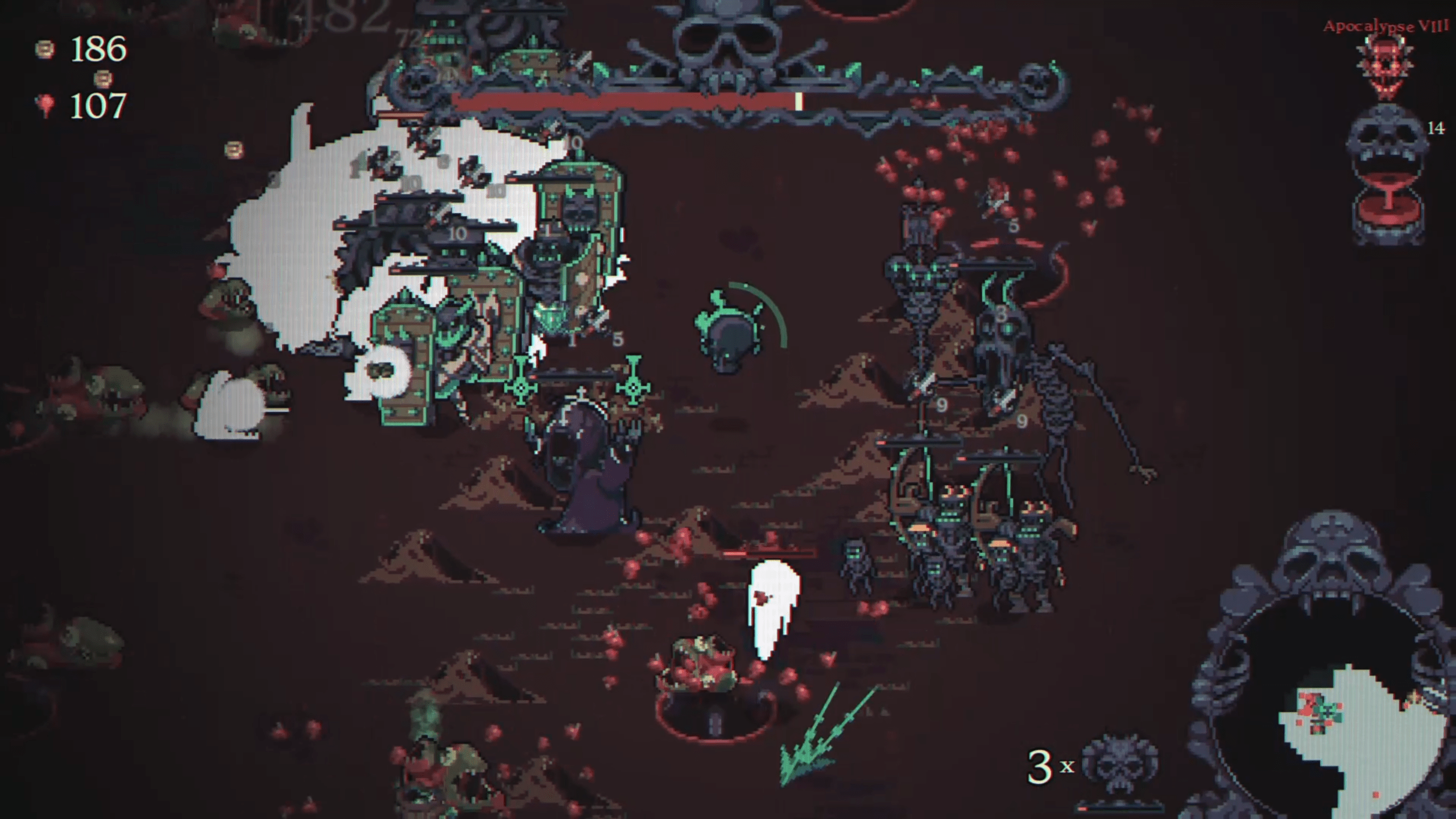
The Headless Hunt
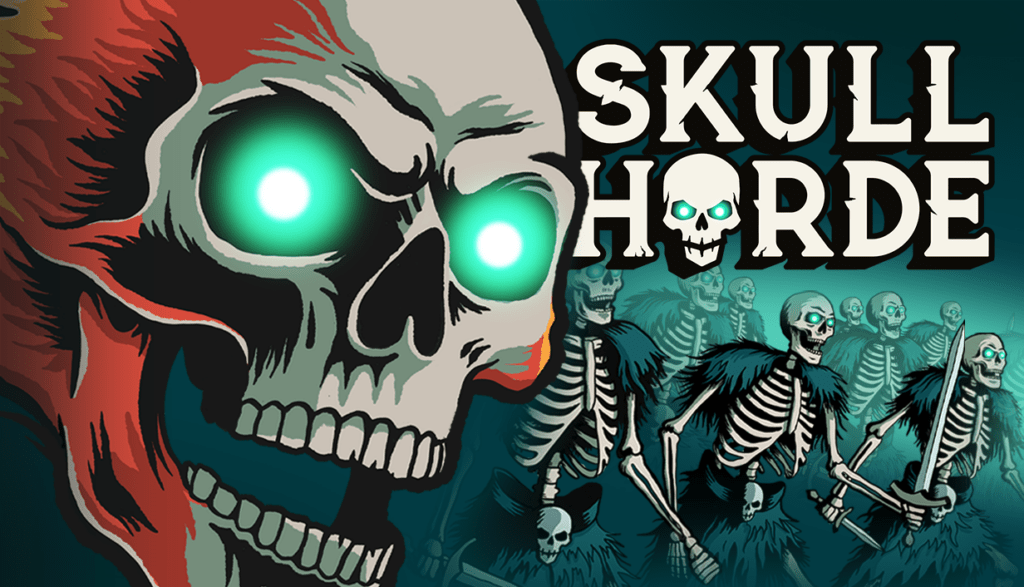
The premise is a wild one. You play as a skull that has been slighted by its own body and left to rot in the underworld. The entire journey is a quest for revenge and retrieval as you hunt down the body that abandoned you. While the “headless” hook is a great setup, the narrative takes a backseat to the arcade action once the runs get long.
The plot acts as a light narrative framework delivered through level transitions and voiceovers. It makes the game feel finished and gives a reason for the underworld to exist, but by the time I was deep into a successful run, I had stopped caring about the plot. It feels more like an arcade roguelite where the gameplay is the king, which is perfectly fine for a game like this.
Managing the Horde
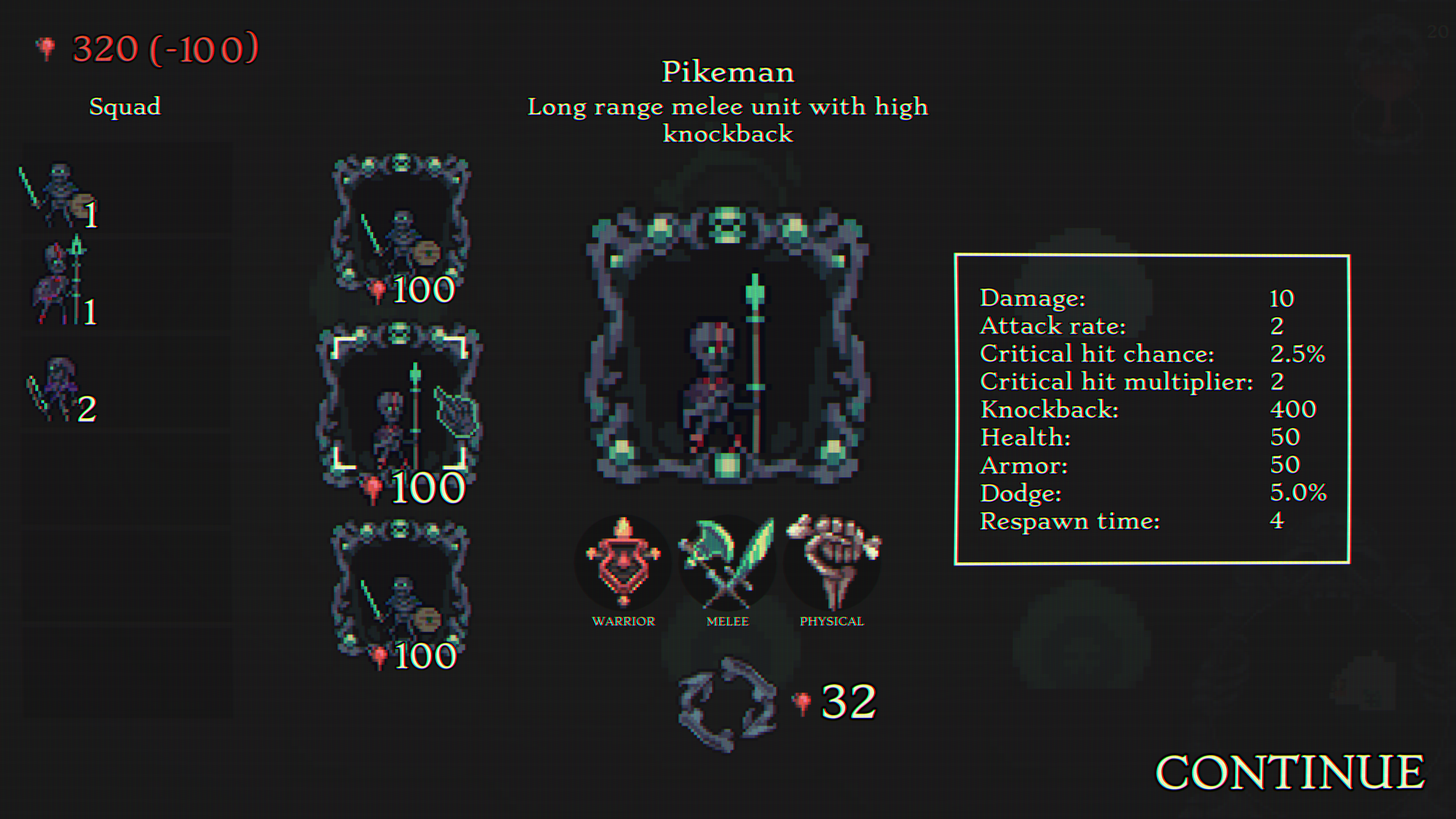
At its heart, this is a blend of survivors-like action and deck building. You manage a squad of troop types that you buy and upgrade between stages. The variety is impressive: you can field heavy hitters like the Dreadmaul, armored Bulwarks, or defensive Pikemen. You can also round out the group with Archers, Hurlers, or even the suicidal Petards who explode when enemies get too close.
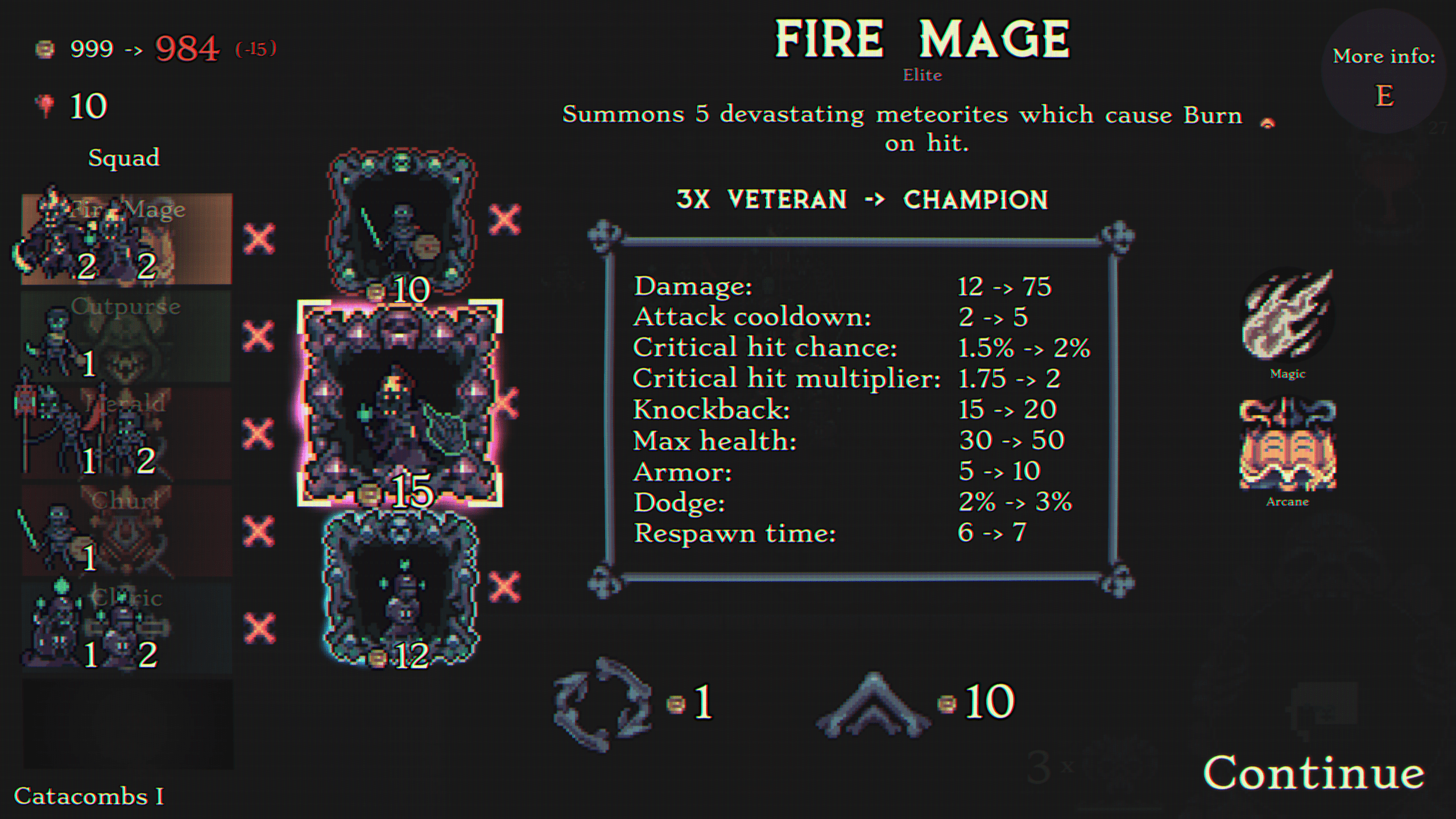
The game encourages you to power-up your squad through a stacking mechanic. By purchasing multiples of the same minion type, you can significantly power up that unit class for your army. This adds a layer of strategy to your purchases, you can diversify your troop or power up a specific class. It’s best to consider both between each level. You can shuffle the “deck” of minion classes to see if a more powerful troop type is available. Perhaps it fit my attack style better than another one. The one catch? If you have powered up a weaker class, you lose that to adopt a new fighter.
The game uses a timer mechanic that creates a delicate balance. If you take your time to grind out enemies for resources, you get stronger, but the enemies in the next area get beefier too. Rushing through might keep the difficulty down, but you will likely end up underpowered for the boss. It is a constant “speed vs. power” trade off.
The meta progression is deep, and the permanent upgrades in the skill tree are essential. You cannot simply “skill” your way past the more difficult bosses without them. One feature I really appreciated was the ability to reset the skill tree. Since some upgrades come with negative consequences, like increased damage at the cost of health, being able to re-spec and optimize my build for the best outcome led to my most successful runs.
The Gauntlet feel is everywhere. You navigate procedurally generated dungeons, hunt for chests, and destroy enemy generation areas that look like piles of bloody bones. Taking those out to stop the flow of enemies is just as satisfying here as it was in the arcade.
8-Bit Blood and Heavy Metal
Visually, the game delivers exactly what you would expect from an 8-bit style dungeon crawler. It is dark, filled with gross looking satanic beasts, and features plenty of gore. Despite the hellscape theme, the contrast is high enough that the screen never feels muddled, even when the unit count starts to climb.
The audio is a standout highlight. The heavy metal soundtrack is absolute madness in the best way possible. It fuels the gameplay and makes you want to hold up your metal devil horn fingers while you are kicking butt. The sound effects for the combat are unobtrusive but satisfying, rounding out a very cohesive 80s arcade aesthetic.
Final Verdict – Skull Horde
Skull Horde scratched my Gauntlet itch like few have done before. The arcade feel, which is likely a detriment for the majority of gamers, only made me want to return to the game and try another run. I was driven by nostalgia just as much as the fun I was having anytime I could turn on my handheld or my gaming PC and complete a run. Even in failure, Skull Horde continued to be fun.
The graphics and, in particular, the music provided a magnificent backdrop to a game that I probably liked more than most. It is the kind of experience that would be a perfect fit for a mobile device or a quick session on a handheld. If you are looking for a satisfying loop that rewards both your reflexes and your tactical planning, this dungeon crawler is well worth the descent.
To hear me talk more about Skull Horde, be sure to listen to the April 14th, 2026 episode of The Gaming Outsider Podcast around the 1:00:40 time stamp.
This review is based on a PC copy of Skull Horde provided by Jasmie James PR for coverage purposes. It is also available on Mac and Linux.
Skull Horde
$12.99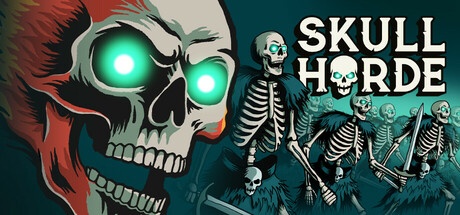
Pros
- Iconic Arcade Nostalgia
- Deep Strategic Squad Customization
- High-Energy Metal Soundtrack
Cons
- Grindy
- Story Fades During Run After Run