I Played (Almost) Every James Bond Game – A Retrospective
James Bond has been a part of my life for as long as I’ve existed, and I mean that literally. I was named after Sean Connery, because (like a lot of women even by the 1980s) my mom had a huge crush on him. My dad, who grew up on Bond in the 60s, was all in. But I didn’t become a Bond aficionado until I got my hands on a Nintendo 64 controller. 1997 was a great year to become a Bond fan; a groundbreaking game released in the summer as did a brand-new movie that fall.
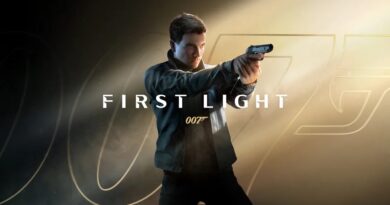
As the launch of 007: First Light, the first major James Bond video game in over thirteen years draws close to release, it felt like the perfect moment to look back at James Bond in gaming. From absolute bangers, to experimental head scratchers, and all the competent-but-mediocre entries in between, Bond has experienced his fair share of ups and downs.Through the years, Bond games were either setting the bar or chasing industry trends.
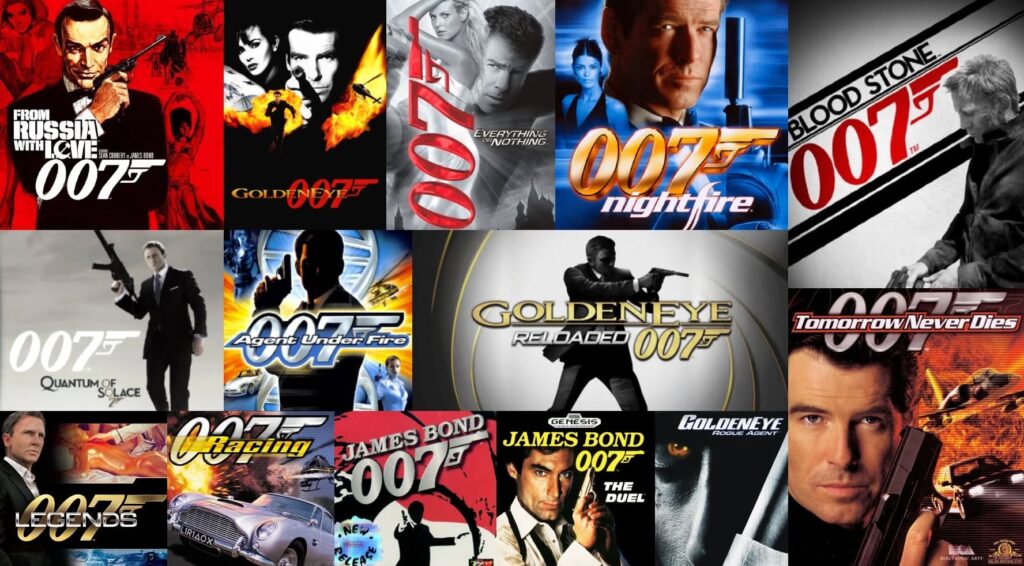
In this retrospective, I’ll only be focusing on the major console titles. The random spin-offs like 007 Racing, any handhelds, and obscure early-80s computer games will get a passing mention at best, but they won’t be central. Also, this sentence will be the only mention of GoldenEye: Rogue Agent; the less we talk about that game the better. This is going to be a long read, so sit back, relax, and have a vodka martini as I take you through James Bond in video games.
James Bond 007
1983: Atari 2600, ColecoVision
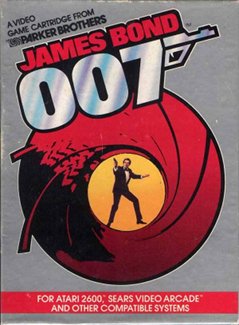
Technically, James Bond 007 by Parker Brothers is not the first Bond video game. That distinction goes to an unofficial text adventure Shaken, Not Stirred. But like most text adventures, the player’s imagination is doing all the heavy lifting in terms of graphics. This game, released on ColecoVision and the Atari 2600 marks the first official pixelated appearance of James Bond.
The premise is simple: you’re Bond reliving through four different films, Diamonds Are Forever, The Spy Who Loved Me, Moonraker and For Your Eyes Only, the most recent film at the time. The gameplay takes one famous moment from one film (the Lotus Esprit submarine car scene from Spy) and uses it across all four adventures. As this is an early 80s game, it’s a simple arcade shooter with each stage playing exactly the same. The only distinctions are the enemy types you shoot down, reflecting the film they represent, such as shooting space shuttles out of the sky in Moonraker, or attacking space satellites in Diamonds Are Forever.
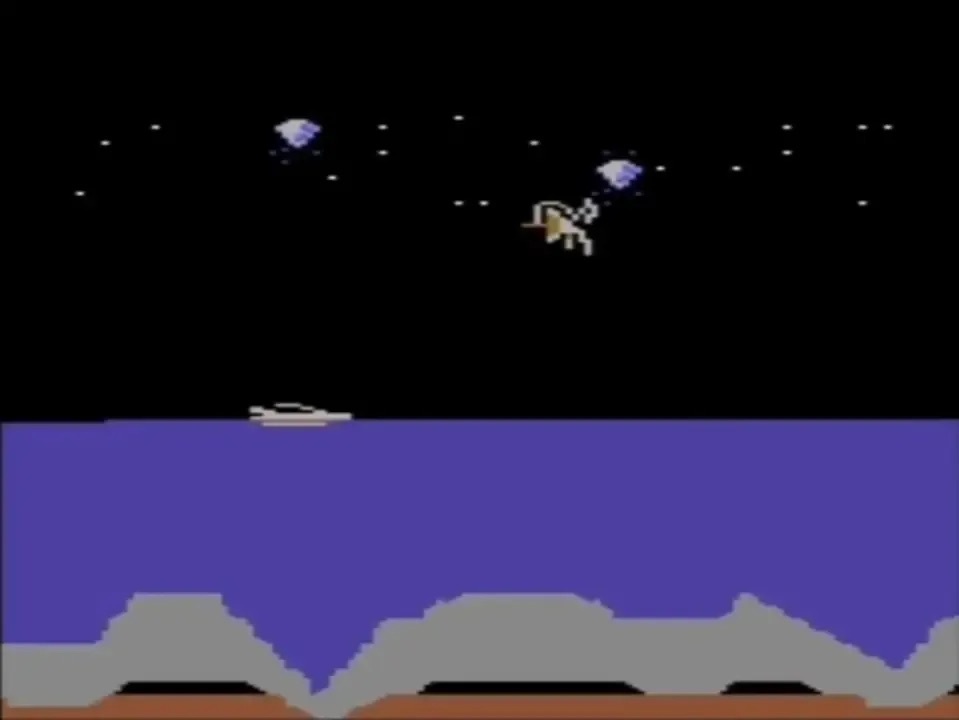
The differences between the Atari version and Coleco version are stark. As both platforms were built on vastly different hardware. The Atari version, running on technology from the 1970s, was already looking primitive by 1983. The game hasrude graphics, minimal sound and simplified gameplay. Meanwhile, the Coleco version (still primitive from a 2026 viewpoint) was more advanced. It had more detailed sprites, richer audio and a closer approximation to action that Bond fans expect.
007: The Duel
(1993: Sega Master System, Genesis, Game Gear)
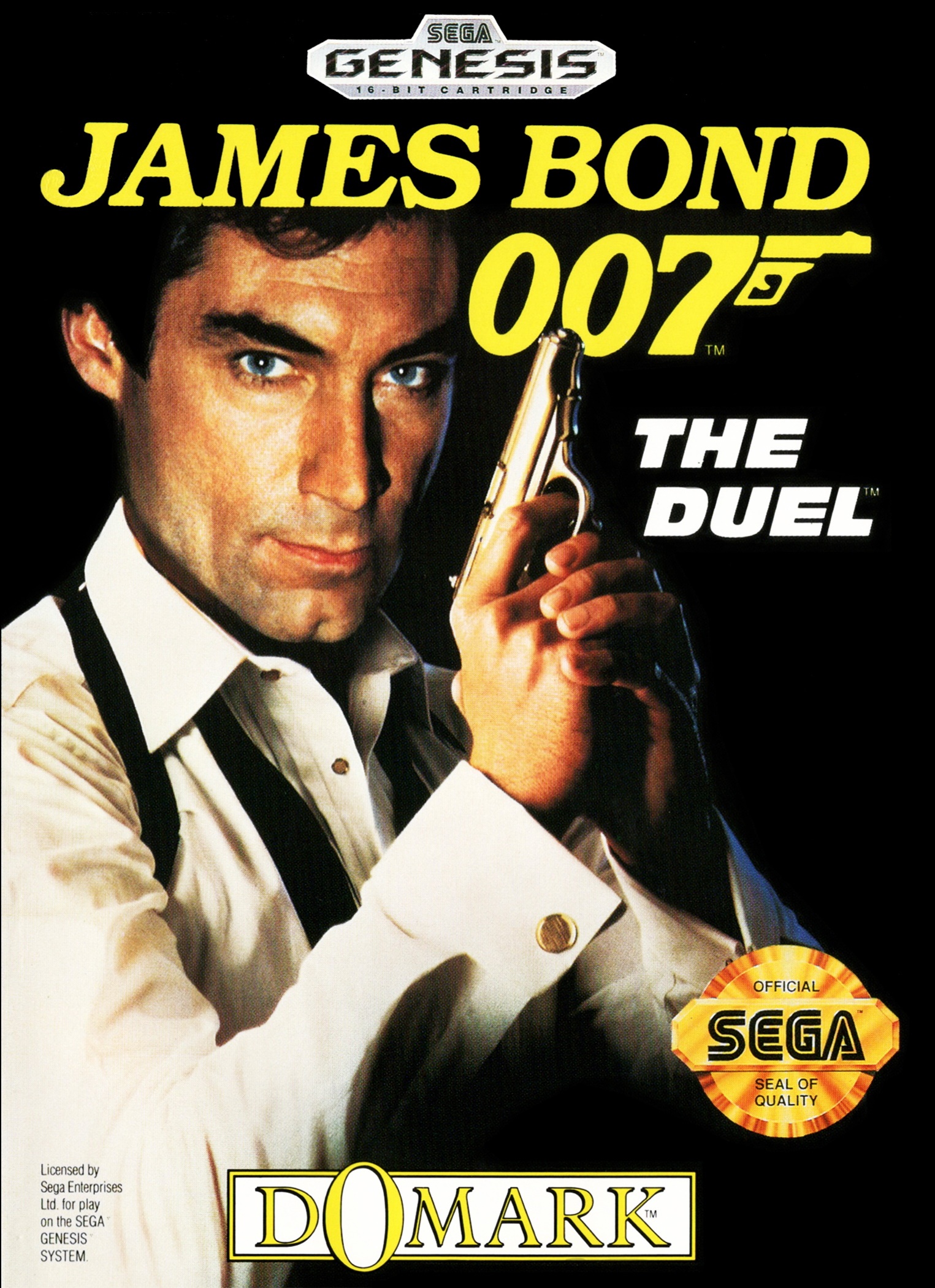
There’s something strange about The Duel; its existence is a representation of an era that was cut short. This oddball was a Sega exclusive and released for the Sega Genesis, Sega Master System, and Game Gear in 1993. It’s notable for featuring Timothy Dalton’s likeness on the box art and marketing material, despite him being absent on the big screen in over four years. Not to mention, his successor would be announced just a short time later.
So as a Bond fan, this game is more interesting as a relic of an era prematurely taken away from Timothy Dalton. For the record, I think Timothy Dalton was a great Bond. After the flamboyant pastiche of Roger Moore frequently winking at the audience, Dalton brought the character back to a gritty seriousness that fell more in line with Fleming. But I guess audiences at the time weren’t ready for that tonal whiplash. Timothy Dalton walked so Daniel Craig could run.
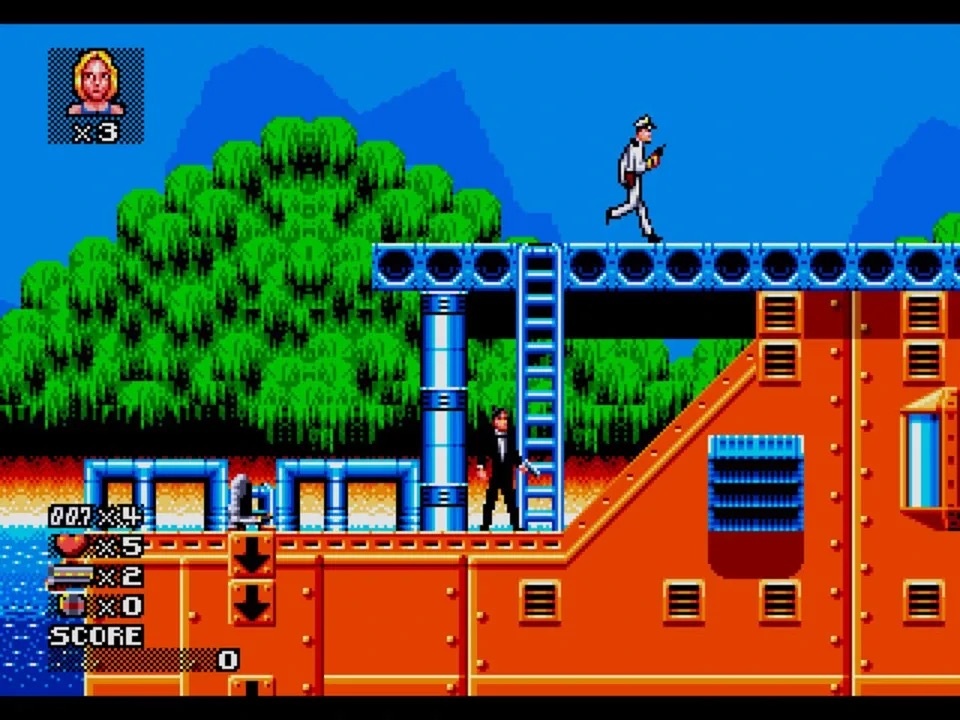
In terms of gameplay, James Bond 007: The Duel largely follows the conventions of early 90s side-scrollers, though it’s not entirely one-note. Some stages incorporate verticality with multi-tiered platforms, ladders, and upward progression, adding a bit of tactical awareness as you manage enemy fire from above and below. At its core, it plays like Contra, but nowhere near as fluid, with stiff jumping, awkward platforming, and constant over- or undershooting your landings. Combat leans heavily into run-and-gun action, with Bond using his Walther PPK against waves of enemies and occasional boss fights against familiar faces like Jaws, but any sense of espionage is completely absent.
One major thing holding it back, and a common issue for the era, is ambiguity. Players are often forced to guess whether something ahead is a usable platform or just background detail. This often forces players to take leaps of faith, resulting in cheap deaths. It’s frustrating, but very much a product of that trial-and-error design philosophy that defined early 90s console gaming. It’s a clear example of the Bond license still searching for its gameplay identity long before GoldenEye set the standard.
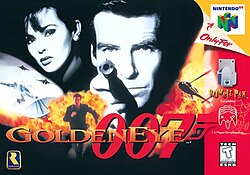
GoldenEye 007
(1997: Nintendo 64)
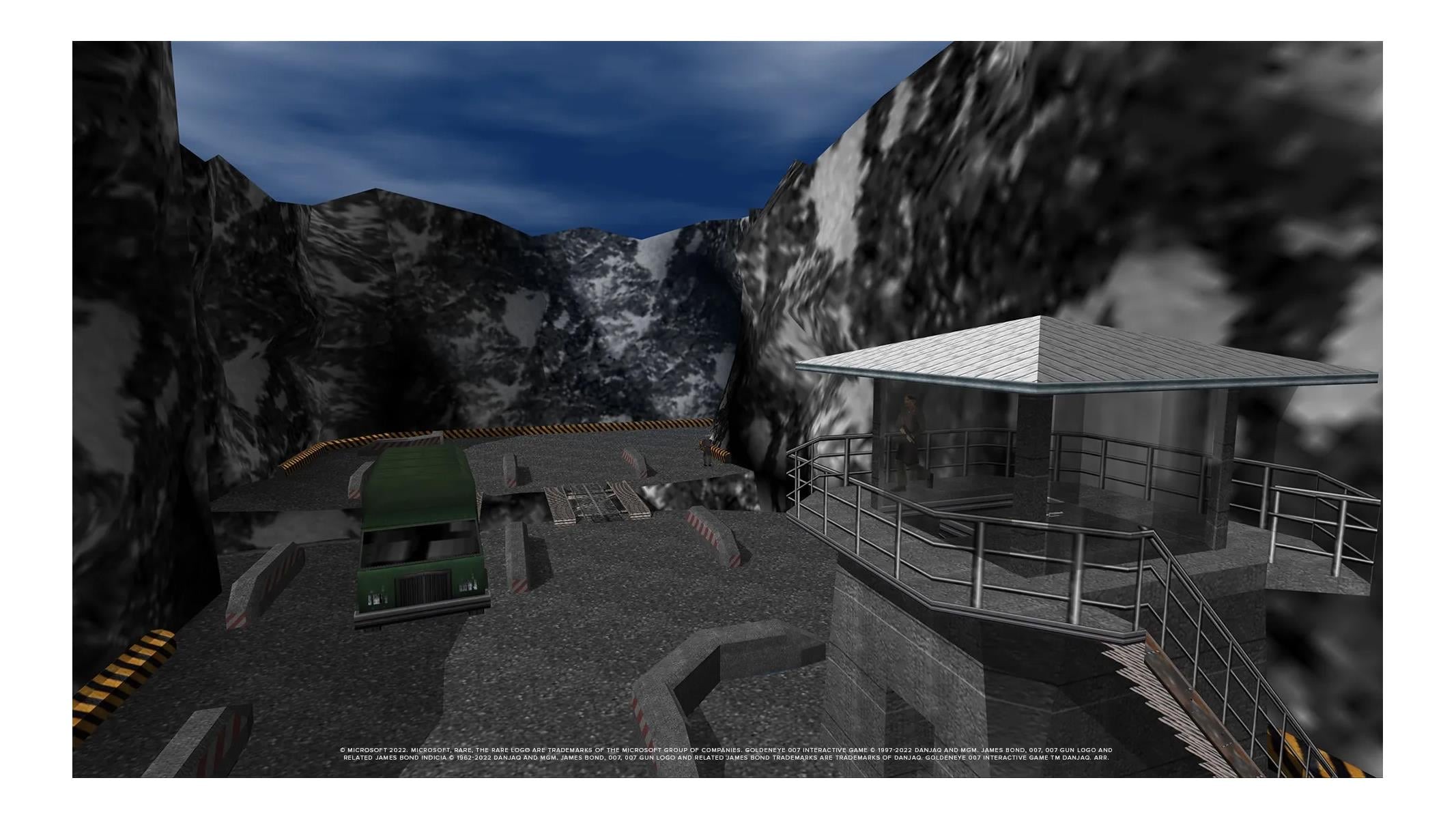
We have arrived at what is perhaps the most important game of the James Bond franchise, GoldenEye 007 on the Nintendo 64. Without it, we wouldn’t have the Bond series as we know it today, and I wouldn’t be typing up this retrospective. It became one of the most influential console first person shooters of all time, the greatest multiplayer experience of its era… Yea, yea, we’ve all heard the sermon at this point. Everyone’s nostalgia for it is exactly the same as well; slappers only in the Facility, the accusations of screen cheating, and the one asshole in your friend group that always picked Oddjob. The mythology of GoldenEye 007 is standard. So I’m not going to waste time talking about what’s already been said to death in the last 30 years.
Instead, I thought I’d share a fun and unique memory. Growing up there was a kid in my neighborhood that I became friends with. He’d often come over either after school or on weekends. After we got tired of kicking each other’s asses in multiplayer, we’d grind the game unlocking cheat codes. Those of you who’ve played it, surely remember how it went. Complete a certain level within a set amount of time on a specific difficulty and voila, cheat unlocked! We never did manage to get them all, unfortunately. Amazingly, to this very day, that save file is still sitting on my cartridge. Against all odds, the internal battery has held on all these years, preserving it like the Grail Knight watching over the cup in Last Crusade. For the life of me…I can’t remember that kid’s name, but his contributions continue to live on.
Fun fact: The name “GoldenEye” is a reference to Ian Fleming’s Jamaica estate, where he wrote all fourteen James Bond novels. It has since been converted into a luxury resort.
After its monumental release in 1997, there were several attempts to resurrect it; some were official, most were not. Fans rebuilt the multiplayer mode from scratch in projects like GoldenEye: Source, using Valve’s Source engine as a means to preserve a certain brand of couch-based mayhem. Then in 2018, someone painstakingly recreated each level using the map editor in Far Cry 5. I’ve played it and it’s absurdly accurate. Nintendo agreed, because soon after, those created maps were taken down by a cease and desist letter. The dedication was beyond insane.
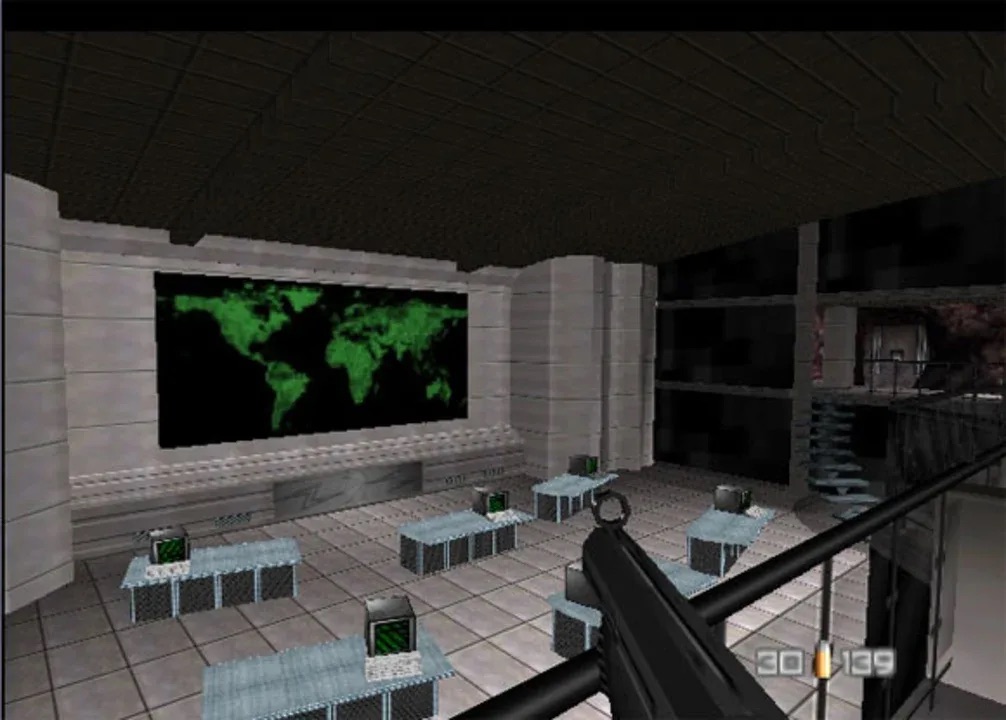
There actually was an official resurrection attempt that sadly never came to fruition. Back in 2007, Rare was developing a remaster that was due to release on Xbox Live Arcade sometime in 2008. This remaster would’ve offered HD visuals, smoother performance, online multiplayer, along with online leaderboards and XBLA achievements. Not to mention you could toggle between classic and remastered graphics on the fly, much like Halo CE: Anniversary. It’s common now, but back then the concept was a relatively new idea.
It was reportedly only a couple months away from completion before it got scrapped. This was due to licensing disagreements between Microsoft (who owns the studio Rare), Nintendo (original publisher) and Eon/Danjaq (the Bond people). It would eventually leak online in 2021 and is fully playable via emulation and has a dedicated community. You can find footage of it on YouTube. It was finished enough to exist, it just wasn’t allowed to. Which makes the eventual re-release we got in 2023 for Xbox Game Pass and Nintendo Switch Online such a big deal. It might not be the 2008 remaster, but having the original playable again on modern hardware felt less like a port and more like an overdue course correction. It wasn’t just nostalgia, it was closure.
The Electronic Arts Era (1998-2006)
When EA obtained the license, Bond games went from a lucky fluke that changed gaming, to a manufacturing pipeline. Every release became a calculated attempt to recapture the lightning of GoldenEye 007.
Tomorrow Never Dies
(1999: PlayStation)
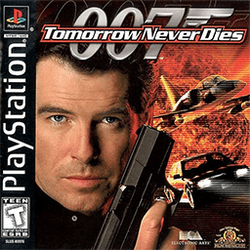
Tomorrow Never Dies was EA’s first real swing at Bond after Rare decided not to pursue a follow-up and make their own games. Developed by Black Ops Entertainment, it landed exclusively on the original PlayStation with a clear mission: recreate the movie in playable form. Though the film hit theaters in November 1997, the game didn’t see store shelves until late 1999. This was due to several development delays. At one point, it was originally going to be a follow-up story, taking place after the events of the movie. But that idea was quickly nixed after negative focus test feedback.
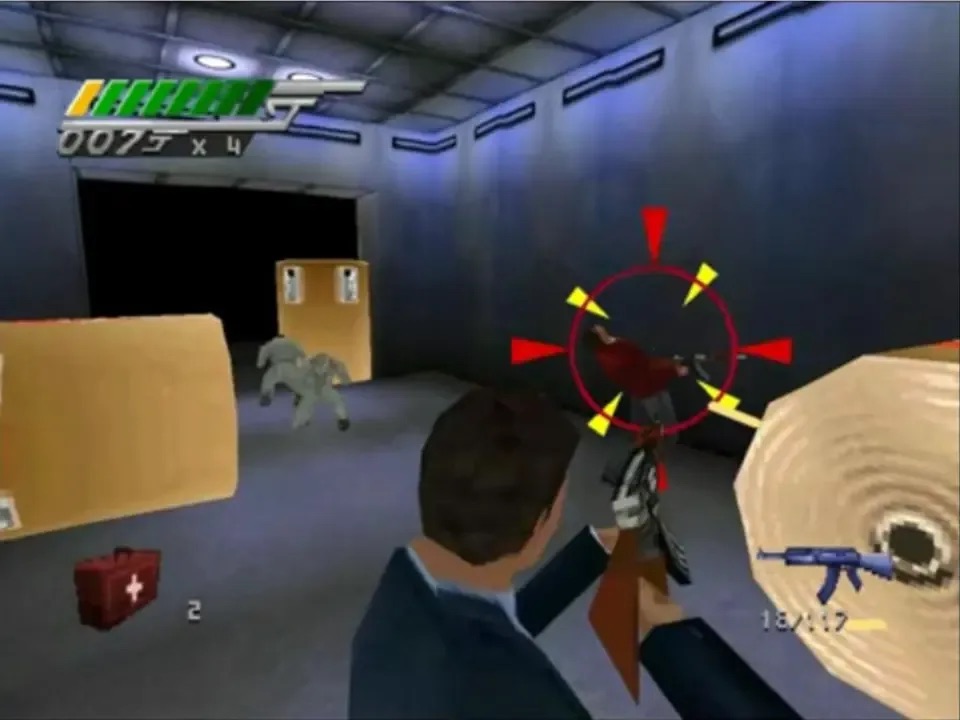
The developers were able to utilize the CD-ROM format, using actual film clips as cutscenes to keep the story going, while it also allowed CD quality audio and music. The game shifted to a third person perspective, featuring stealth sections and gadget-based objectives. It wanted to feel modern and slick, but the biggest issue was its camera. It’s clunky to the point where something as simple as walking through a doorway can be a struggle. The only real saving grace was its lock-on aiming, but even that was less than ideal. In the 90s, third person shooters were still figuring themselves out. Some nailed it; some didn’t. Tomorrow Never Dies lands squarely in that growing pains stage of late 90s 3D game design.
There are sparks of ambition here. The vehicle stages have momentum, and the presentation does a decent job at making you feel like Bond in a totally different way than GoldenEye. The game’s soundtrack, composed by Tommy Tallarico believe it or not, is one of the few high praises I can give this game. But mechanics matter more than production value, and the clumsy movement and janky camera undercuts the experience.
The World Is Not Enough
(2000: PlayStation, Nintendo 64)
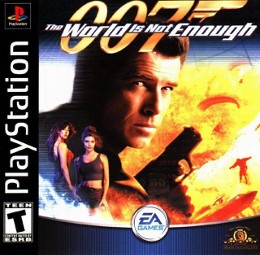
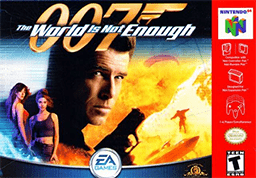
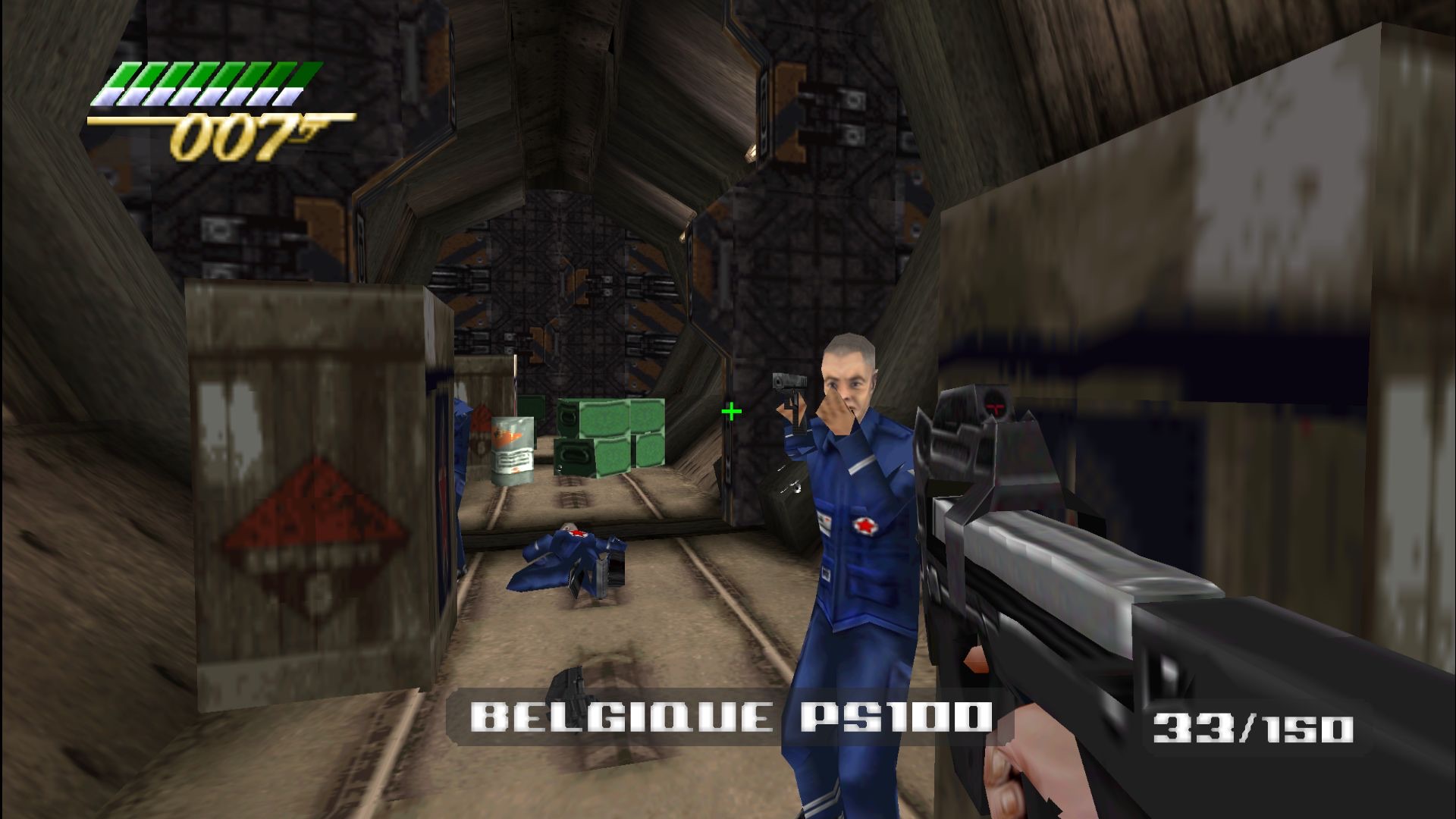
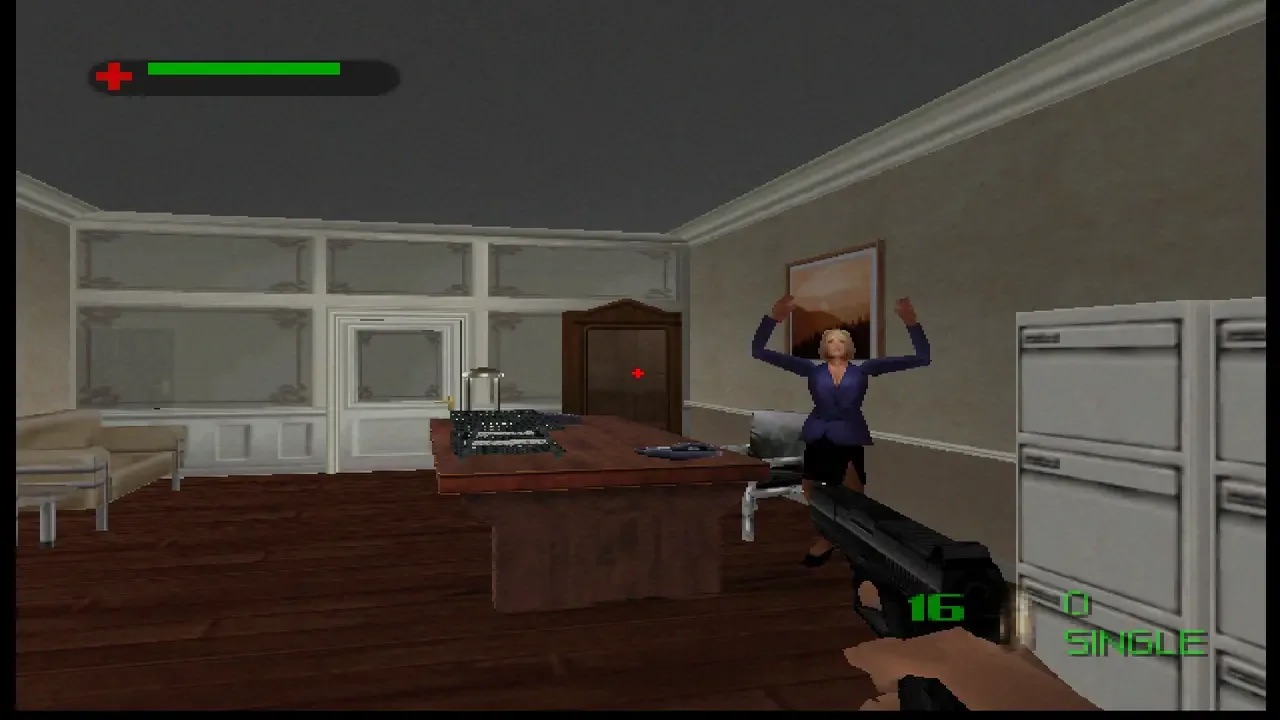
The World Is Not Enough is an example of “same name/different game”, where one game on two competing platforms play nothing alike because of hardware differences. It wouldn’t be until the sixth generation of consoles, and going into the seventh gen, that cross-platform releases really began to homogenize, with publishers striving for near identical experiences. But in the late 90s and early 2000s, fragmentation was the norm. Two competing systems could share a title, yet have almost nothing in common under the hood. Especially when it came to the PS1’s CD format versus the N64’s cartridge.
 The World Is Not Enough – PlayStation Version
The PlayStation version was brought to us once again by Black Ops Entertainment while the Nintendo 64 version was developed by Eurocom, a studio we will hear more about later. No matter which version you played, each was inevitably judged by what came before it. The PS1 release lived in the small shadow of Tomorrow Never Dies, while the N64 version had the unenviable task of filling GoldenEye’s shoes, which is a comparison that’s simultaneously flattering and brutal.
 The World Is Not Enough – Nintendo 64 Version
I have more history with the PS1 version, and just like TND before, it takes advantage of the format to use cutscenes from the film, spoken dialogue, and high quality audio. Sure, it’s a first person shooter, but it feels restrained, linear and short, featuring only eleven stages with no multiplayer mode. Years later, I would finally get my hands on the N64 version, and I must say, it was actually taking notes on what made GoldenEye tick. Is it perfect? Hardly, but the level design is more layered (along with just having more of them versus PS1,) the objectives feel more involved, gadgets are better integrated, and it has a proper multiplayer mode. Both versions share a title, but only one feels like a genuine successor. The other feels like an obligation. At least both versions feature the voice work of John Cleese as R, soon to be Q.
Agent Under Fire
(2001: PlayStation 2, Xbox, GameCube)
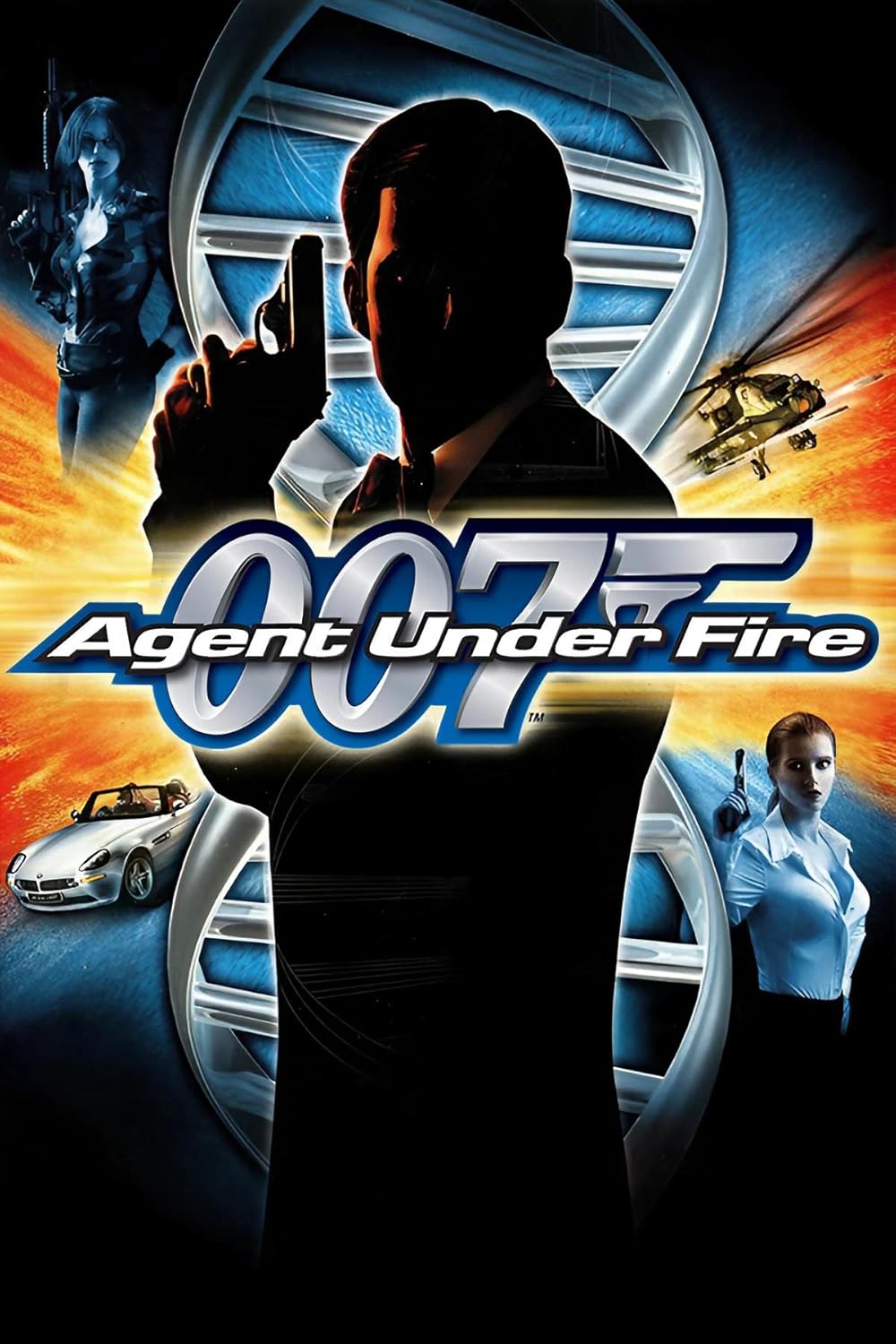
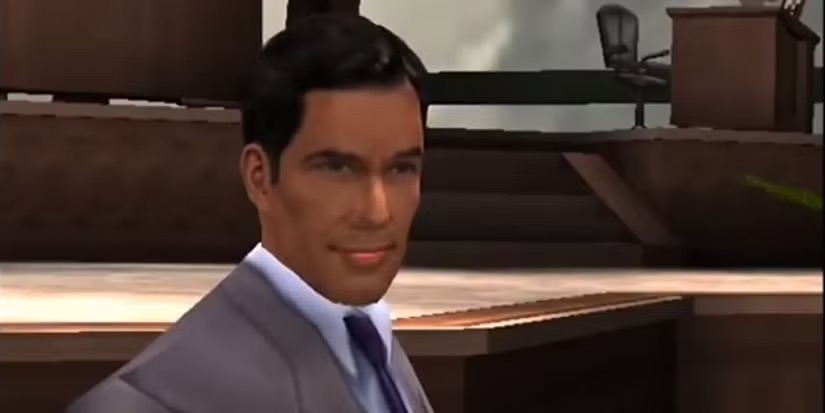
Unlike other Bond games, I don’t have any first hand nostalgia with Agent Under Fire. I didn’t own a sixth generation console at the time of release, so my experience is 100% hindsight. Helmed by EA Redwood Shores (later known as Visceral Games), early development began as a next-generation adaptation of The World Is Not Enough. That version was ultimately scrapped in favor of a wholly original story, as the release window had drifted too far from the film to maintain any meaningful tie-in. And due to a licensing complication, EA was unable to secure the likeness of Pierce Brosnan, who was in the middle of renegotiating his contract with Eon. This resulted in the game using a generic Bond-like stand-in character model, with all the marketing material and box art having Bond in silhouette.
 The License-free 007
The plot itself falls in line with the slick post-Cold War spectacle that defined the Brosnan-era. Not bruised and grounded like Dalton or Craig, but certainly avoids the cartoonish swagger of Roger Moore. James Bond is tasked with investigating a bioengineering scheme that involves cloning major world leaders in order to manipulate global politics. It’s classic Bond pulp mixed with high-tech gadgets and Y2K anxieties. The campaign itself is rather short and can be experienced in four or five hours.
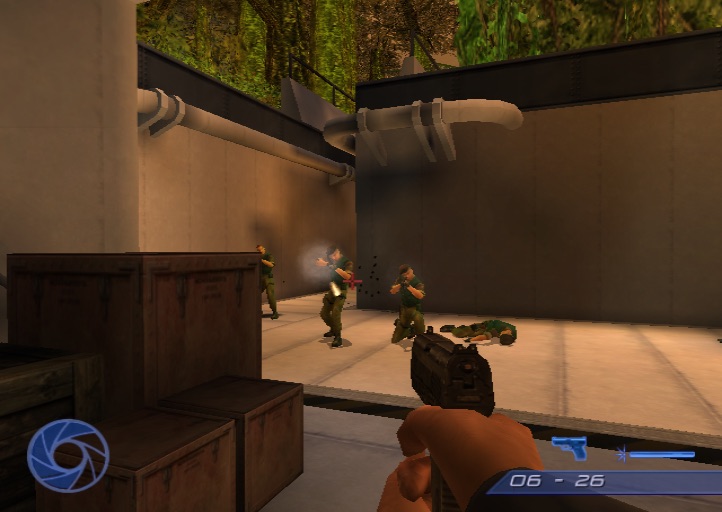
Despite its shorter length, Agent Under Fire introduced a few ideas that would carry over into future installments. Most notable are the “Bond moments”, scripted opportunities where the game rewards you for pulling off particularly stylish actions, like shooting an explosive object or triggering environmental takedowns at just the right time. In a way, they feel like an early precursor to modern-day trophies and achievements that reward players for doing something “Bond-like.” Being on a new generation of hardware also gave the developers room to experiment beyond the confines of a traditional FPS, incorporating driving segments, gadget-based traversal, and more cinematic set pieces. It doesn’t always come together cleanly, but it marks a clear shift away from simply replicating GoldenEye. Critics at the time viewed it as a solid, but transitional entry, the first real step for James Bond on sixth generation hardware, hinting at bigger ambitions to come.
NightFire
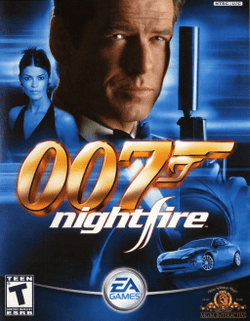
(2002: PlayStation 2, Xbox, GameCube)
NightFire was my first “next gen Bond game” when I finally got a PlayStation 2 sometime in early 2003. Coming from the last generation, obsessively playing GoldenEye, the PS1 version of The World Is Not Enough, and completely skipping over Agent Under Fire, the technical leap to NightFire was obvious. Even the smallest details stood out to me. In addition to it running at a silky smooth 60 frames per second, I remember my mind being blown at the simplest act of Bond attaching and detaching his P99 silencer on screen in real time. Before that switching to a silenced weapon was an off screen swap. I’d later learn this effect was already achieved on the N64 version of The World Is Not Enough. With NightFire and TWINE both developed by Eurocom, it goes to show the level of forward thinking that the studio brought out.
Like its immediate predecessor, NightFire continues the slick, high-tech, yet pulpy action of the Brosnan era with an unbelievable plot for world domination. This time, Bond investigates a billionaire industrialist and environmental philanthropist who plans to seize control of an orbital defense weapon capable of launching nukes. Like all Bond adventures on both celluloid and pixels, NightFire takes 007 across the globe, from alpine castles, decommissioned nuclear power plants, and even sees him return to outer space for the climactic showdown. The game mixes stealth infiltration with large action set pieces. The idea of Bond in space sounded absurd in the movies (hello, Moonraker) yet for a video game, I was willing to let it slide. Speaking of classic moments, there is one level that brings back the underwater submarine car, a la The Spy Who Loved Me, but this time with the Aston Martin Vanquish.
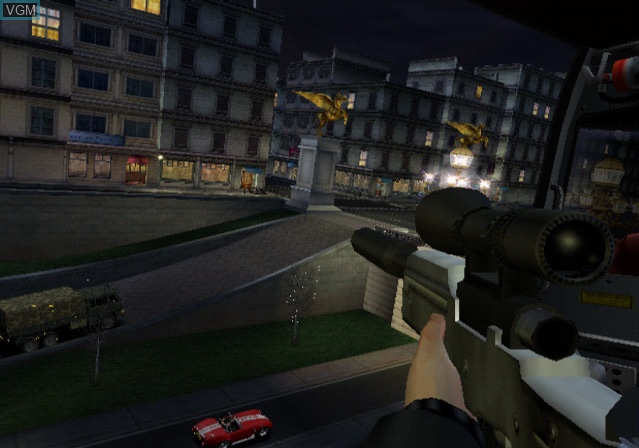
If Agent Under Fire was the messy prototype, then Nightfire is where they finally figured it out. Right away, NightFire features Pierce Brosnan’s likeness, giving the game more authenticity. It also feels more confident, building on the variety-driven structure AUF introduced, but this time the pieces actually fit together instead of clashing. The shooting mechanics are tighter, the level design opens back up, and objectives feel closer to GoldenEye 007 rather than straight corridor shooting. Where AUF experimented, NightFire refines. The biggest improvement is the return of player freedom, with larger environments, multiple approaches to objectives, and sniper-heavy missions that reward patience. It’s not quite GoldenEye-level openness, but the DNA is clearly back.
Just as importantly, everything here feels more “Bond.” Gadgets serve a purpose instead of existing as gimmicks, set pieces feel earned, and the pacing gives the experience room to breathe. The game leans confidently into a classic Bond villain plot, fully embracing the fantasy it’s selling. Multiplayer also makes a meaningful comeback, with the return of AI bots, better-designed maps, and more balanced combat. It may not recapture the lightning-in-a-bottle magic of GoldenEye, but it’s the first time since then that multiplayer feels worth revisiting. For me, NightFire stands as the Bond game that best understood what made GoldenEye work and expanded on it, making it an easy second favorite and the sixth generation counterpart to GoldenEye’s impact on the fifth.
The game did get a PC version, developed by Gearbox Software, which is an entirely different game with altered level design, physics, and objectives. Unfortunately, it’s also a noticeably worse experience across the board, feeling clunky and unfocused. It’s one of the rare instances where the PC version is worse than its console counterparts.
Everything or Nothing
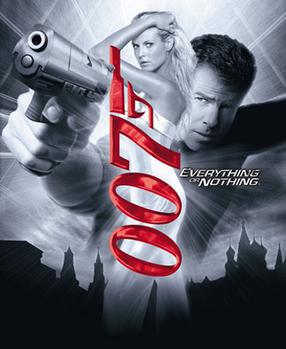
(2004: PlayStation 2, Xbox, GameCube)
By the time Everything or Nothing arrived in 2004, it felt like the peak of EA’s Bond tenure, bringing together everything the previous games had been building toward. The title itself is a nod to EON Productions, the company behind the Bond films since day one. Instead of sticking with the first-person perspective, the game shifts to third-person, the first time since Tomorrow Never Dies on PlayStation.
The developers went all-in on the Hollywood experience, delivering a cinematic Bond adventure with a level of presentation that no previous game had matched. Not only did they secure Pierce Brosnan’s likeness, but they also got his voice. This marks his final portrayal of Bond with many fans considering it to be his fifth official outing. The supporting cast includes familiar faces like Judi Dench as M and John Cleese as Q, along with A-list talent like Shannon Elizabeth, Heidi Klum, and Willem Dafoe as the villain.
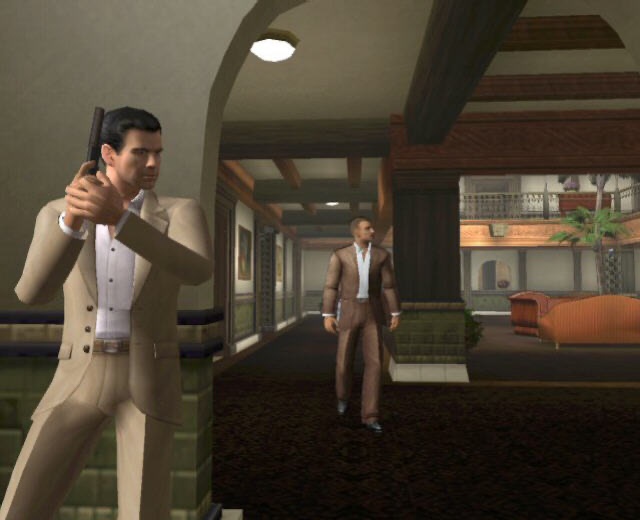 Pierce Brosnan as James Bond in both likeness and voice, marking his final appearance as the character.
In hindsight, Everything or Nothing arrived when games were just beginning to embrace film-style production values, with celebrity casting, motion capture, and full orchestral scores, still a novelty in 2004. The reunion of Brosnan, Dench, and Cleese made it feel even more like a proper 007 production. The story follows Bond as he investigates a plot involving nanotechnology originally developed for humanitarian purposes, only to be repurposed as a weapon. The man behind it is a former KGB agent, played by Willem Dafoe, who is revealed to have once been a protégé of Max Zorin, Christopher Walken’s villain from A View to a Kill.
As the mission unfolds, Bond is sent across the globe, from Peru to New Orleans to Siberia. Along the way, he encounters allies, double agents, and the usual assortment of henchmen. Like most Bond plots, it’s delightfully over-the-top, fitting squarely within the late-era Brosnan films and right before the series slammed the reset button with Casino Royale. Whether it’s space lasers, nuclear warheads, media monopolies, and now nanobots, Bond villains always want to run the world.
Shifting to third person gives Everything or Nothing a cinematic flair that first-person simply can’t achieve. You see Bond dive for cover, shoot around corners, and navigate the environment, making combat feel dynamic and more like the action set pieces in a Bond film. The camera shows occasional growing pains, typical of early 3D games, but it rarely gets in the way of the action. While later titles like Gears of War and Uncharted: Drake’s Fortune would refine cover mechanics into genre standards, Everything or Nothing was already ahead of its time. It’s widely regarded as one of the best Bond games ever, particularly for younger players who didn’t experience GoldenEye in its 90s heyday.
From Russia With Love
(2005: PlayStation 2, Xbox, GameCube)
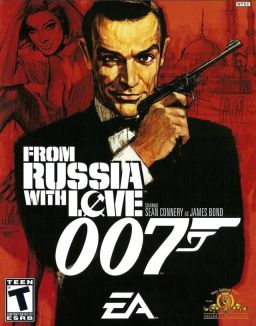
By the mid-2000s, there was a curious mini-trend of classic films getting the video game treatment. Cinematic classics like The Godfather, Scarface, The Warriors and even The Great Escape were suddenly getting pixelated decades after their film’s releases. So in 2005, EA Redwood Shores jumped on the trend to adapt a classic Bond film, From Russia With Love. Amazingly, they were able to convince the man, the myth, the legend himself, Sir Sean Connery to voice 007 one final time, who had twice sworn off the role. He reportedly agreed to return because From Russia With Love was his favorite of the films, and partly for his grandkids, who were gamers at the time. He even recorded his lines from the comfort of his home in The Bahamas.
Just like Everything or Nothing, the game is a third person shooter, implementing the same cover shooting mechanics running on the same engine. In addition to Connery as Bond, the game features the supporting cast portrayed as their classic iterations like Bernard Lee as M, Desmond Llewellyn as Q, and Robert Shaw as Red Grant, among others. The level design follows the film closely, though it expands upon existing scenes and adds completely original missions to inject more action set pieces than the original film’s story had. It also incorporates a wide range of era appropriate gadgets.
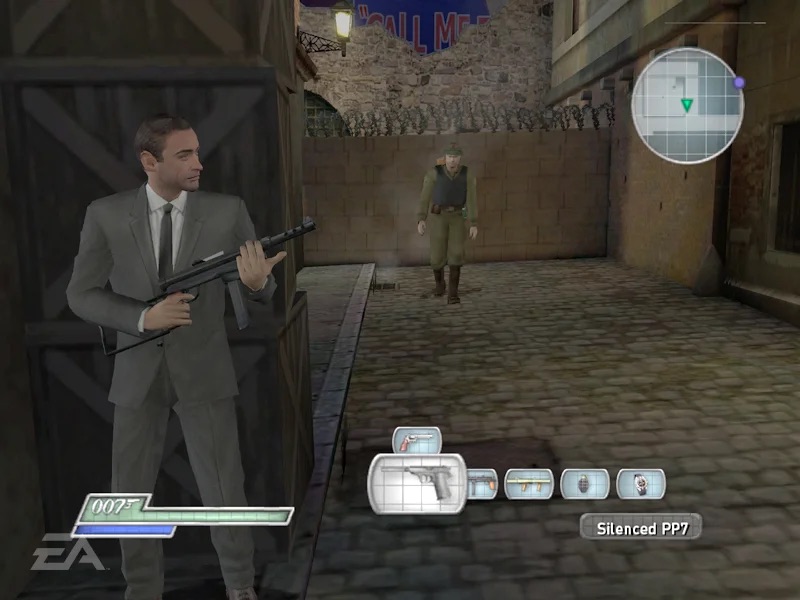 The Man, The Myth, The Legend…Sir Sean Connery
From Russia With Love wasn’t meant to be EA’s last game as they had just extended their contract with Eon to 2010 during its development. EA decided to walk away from the license to focus on original IPs. Looking back, it’s kind of fitting; a game that celebrates the original 007, featuring the final performance of the man himself Sean Connery, ends up being the capstone of an era that spanned multiple years, platforms and interpretations. It’s a bittersweet farewell, a final bow before the franchise turned the page on the next chapter of Bond games.
The Activision Era (2006-2012)
After Electronic Arts stepped away from Bond, Activision swooped in, reportedly paying $50-60 million to Eon for the license. Under their tenure, the series pivoted hard into the modern military shooter trend, popularized by their own Call of Duty franchise. Of the four games they published, three followed that formula, trading spycraft for pop-from-cover shooting, effectively turning James Bond 007 into “Bond of Duty.”
Quantum of Solace
(2008: PlayStation 2, PlayStation 3, Xbox 360, Wii)
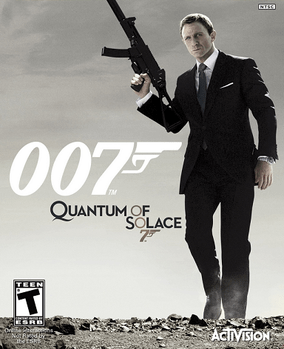
Just like The World Is Not Enough nearly a decade earlier, Quantum of Solace is another case of “same name, different game,” but this time the divide is a generational split. The PS3 and Xbox 360 versions were developed by Treyarch, using the same first-person engine from Call of Duty 4: Modern Warfare. Meanwhile, the PlayStation 2 and Wii versions were third-person shooters, developed by Eurocom to better accommodate the aging hardware. Even by 2008, many publishers were hesitant to completely abandon the PlayStation 2, the best selling console of all time. So dropping support even this late into its lifecycle, would’ve meant leaving money on the table, depriving themselves out of a well established install base.
Development actually began as a Casino Royale game when EA still held the license. Though it was never disclosed which studio was behind this cancelled game, my money is on EA Redwood Shores. The project was still in its early stages before being cancelled as it was determined the game wouldn’t be ready in time for the November 2006 date of the film. With the project stalled and no clear path forward, EA cut their losses and walked away from the Bond license to focus on their own IPs.
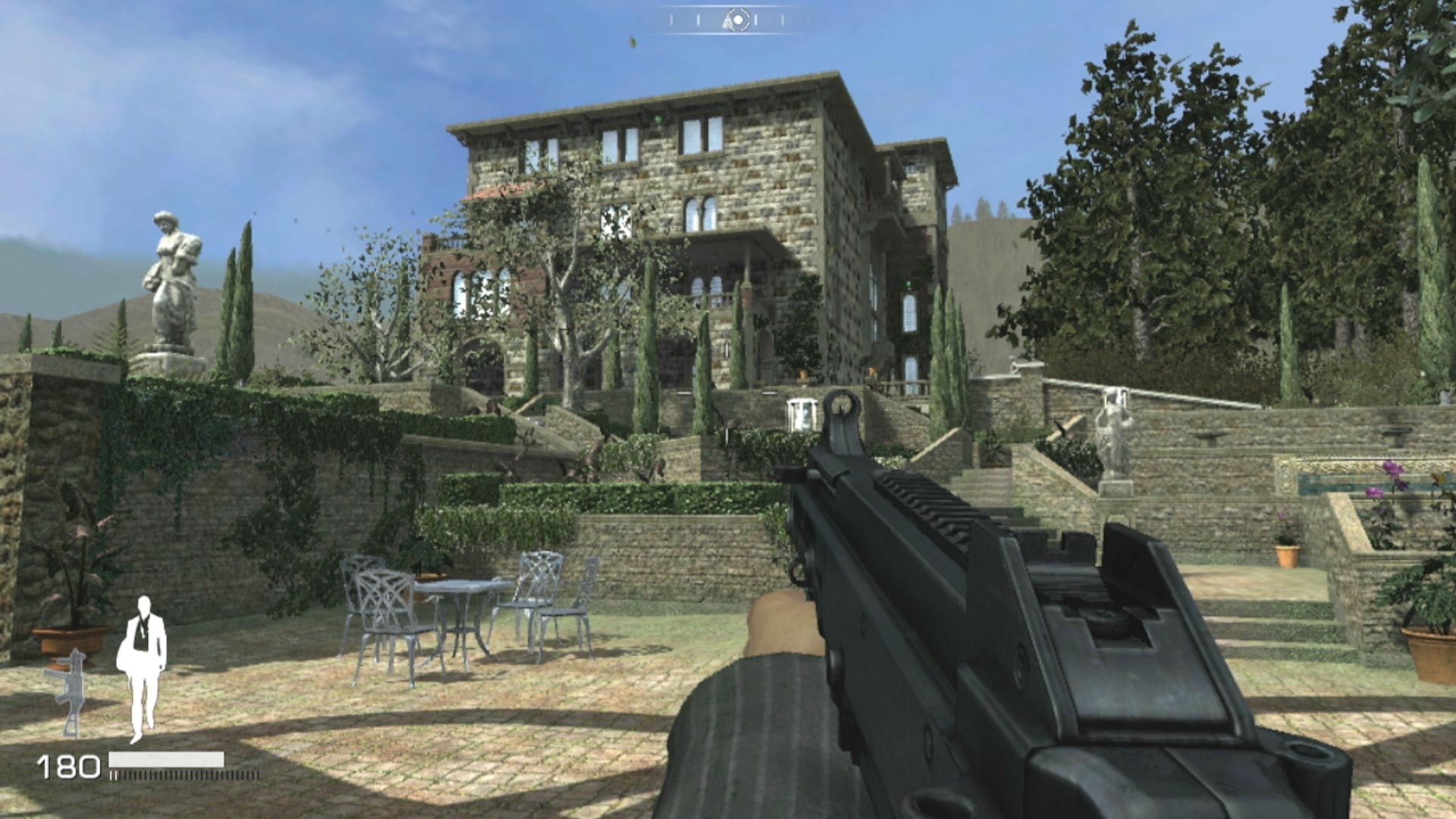
Between the two different versions, the PS2 release is easily the worst. Coming four years after Everything or Nothing, the third person gameplay feels like a massive step backward. Keep in mind, this was also around the same time third person shooters like Gears of War and Uncharted were helping push the genre forward. The aiming feels inconsistent, the camera fights you around nearly every corner, and the cover system is stiff as hell. At least the seventh generation version benefits from its first person perspective, with much tighter shooting, feeling closer to contemporary military shooters like Call of Duty.
The presentation is one area where the evidence of a rushed development is the most apparent. Rather than having animated cutscenes, much of the story is told through exposition-heavy MI6 mission briefings, where characters are describing events instead of watching them unfold. The briefings are presented through the sleek high tech smart glass interface that was introduced in the Quantum film. This visual motif would be used throughout all of Activision’s tenure of the license. Overall it’s a competent game but it’s just that, competent as in underwhelming and developed by committee.
GoldenEye
(2010: Wii) [Reloaded, 2011: Xbox 360, PS3]
Ever since GoldenEye 007 redefined what console shooters could be, its legacy cast a long shadow over the entire Bond series. In fact, it still does to this very day. The name itself became so iconic that simply attaching it to any project, be it official or not, would guarantee some attention, (looking at you GoldenEye: Rogue Agent.) After the numerous attempts at resurrections that I mentioned earlier, the best we got was a compromise in the form of GoldenEye 007 for the Nintendo Wii in 2010. For years, this was what we got as a consolation prize. It’s not a direct remake of the original, instead it’s a reimagining of a classic story through the lens of the rebooted Daniel Craig era, updating the Cold War centric plot for a modern setting.
But where the original thrived on post Cold War geopolitics, and a personal vendetta rooted in the Betrayal of the Cossacks, the 2010 version strips all that all a way for a generic motivation. The 2010 version of Agent 006 has been reconfigured as a generic cyber terrorist and the geopolitical stakes feel abstract at best, and secondary at worst. Gone is the nine year gap between 006’s “death” and the plausible rise of his Janus criminal empire. Here it just…happens. Without that humanized backstory, the narrative loses that edge, turning it into another Call of Duty clone imitating a 90s classic.
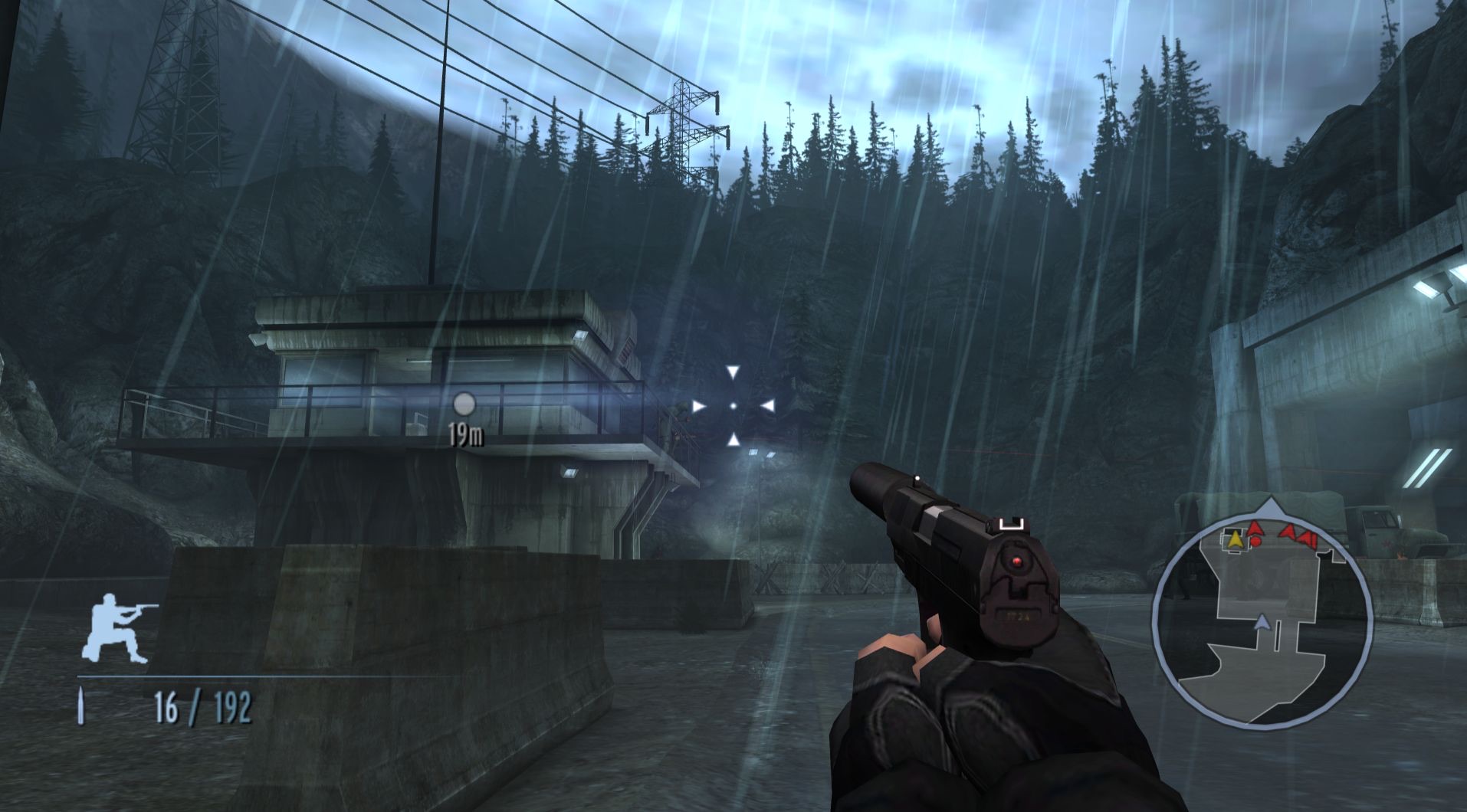 The Updated Dam Level and the Familiar Guard Tower
Gameplay-wise, GoldenEye 007 on the Wii plays like any other modern shooter. To me this is one of the game’s biggest disappointments. Unlike the N64 original, which set the bar for all FPS games that followed, it feels just like any other in a crowded field. The only real distinction is that this remake is peppered with callbacks and other “member berries” to both the original game and the 1995 film itself. Missions revolve around scripted set pieces, regen health, and corridor level design that funnel enemies to your line of fire like a carnival shooting gallery.
As a Wii title, GoldenEye 007 naturally supports the default Wii-mote and Nunchuk setup for motion control aiming. However the game offers a surprising amount of flexibility in that it supports a variety of controller setups. The Wii Classic Controller, the Wii’s Pro Controller, is there for those who prefer a typical console shooter experience, and it even supports GameCube controllers for those who can’t let go of their childhoods.
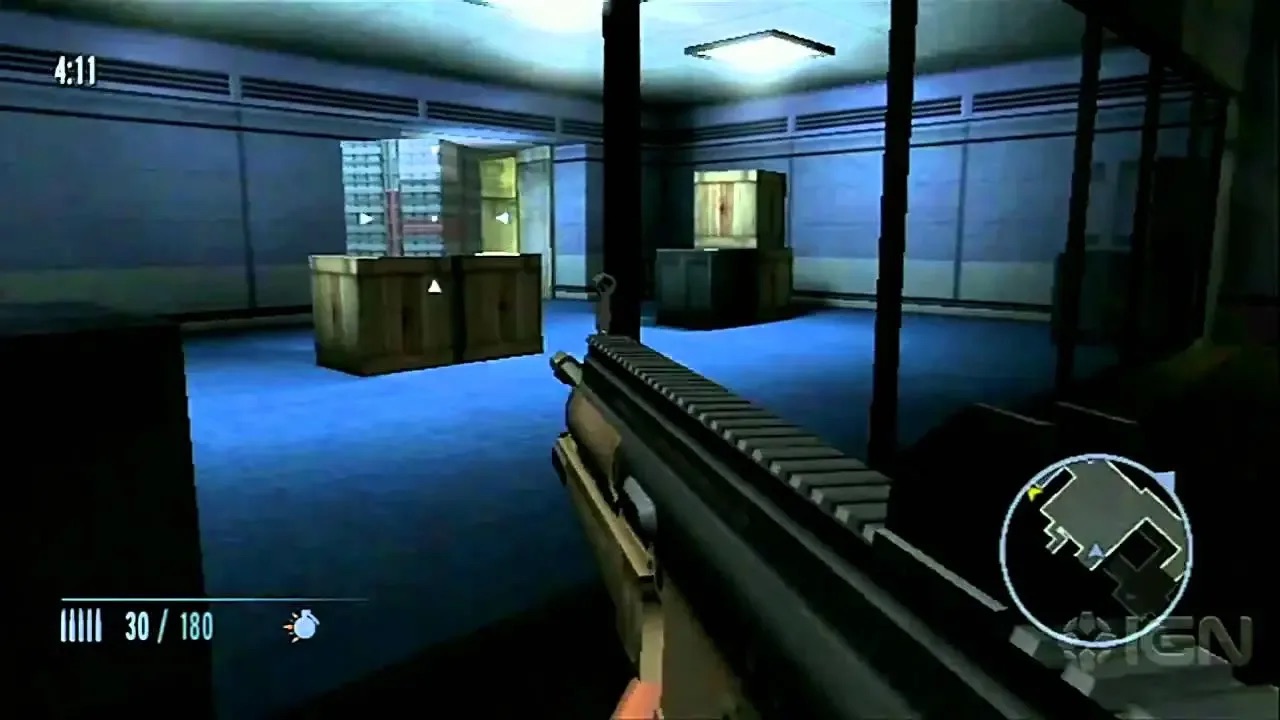
A year later the game would be ported to the more powerful Xbox 360 and PlayStation 3 in the form of GoldenEye 007: Reloaded. This version was rebuilt from the ground up on a new engine that allowed for HD visuals and 60fps performance, something the Wii’s hardware couldn’t achieve. It’s worth noting the PS3 version did carry over the motion control gimmick by supporting the PlayStation Move, Sony’s answer to the Wii remote.
Despite the criticisms, GoldenEye 007 is still a perfectly competent shooter. The controls are responsive (in all setups,) the missions are varied enough to follow the general plot of the now familiar story. It does make a genuine effort to recapture moments from the original game. It’s just lacking a sense of innovation that made the original so influential.
007: Blood Stone
(2010: Xbox 360, PS3)
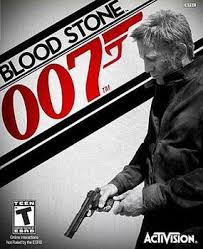
007: Blood Stone, developed by Bizarre Creations (best known for Project Gotham Racing and Blur) stands out as a unique entry in the Activision era of 007 Games. Not only is it the only game of theirs with an original story, but it’s the only other third person shooter of the HD console era. This is also the first original Bond story since Everything or Nothing. It features the voice work of Daniel Craig, Judi Dench and Rory Kinnear, along with the voice talents of British actress/singer Joss Stone as Bond ally Nicole Hunter. She also performs the game’s title song, emulating the films.
The story sees 007 investigating a global conspiracy involving a rogue Biotech firm, a private military contractor, and the wealthy elite. Bond discovers the death of a scientist that specializes in nanotech, which then kicks off his usual globe-trotting romp through Athens, Istanbul, Siberia, Bangkok and many more exotic locales. As Bond uncovers more and more layers, he teams up with another agent (voiced by Joss Stone) who has her own ties to the conspiracy. As I stated before, the game was meant to be treated as another formal entry in his tenure as Bond.
In many ways, Blood Stone is every bit as good as Everything or Nothing. Bold statement, I know. But the cinematic presentation and third person gameplay stands shoulder-to-shoulder with EA’s best Bond outing. The only difference is timing. By 2010, cinematic presentation and concise third-person shooting mechanics were no longer revolutionary, but in a post-Gears of War and post-Uncharted world, they were the expected baseline.
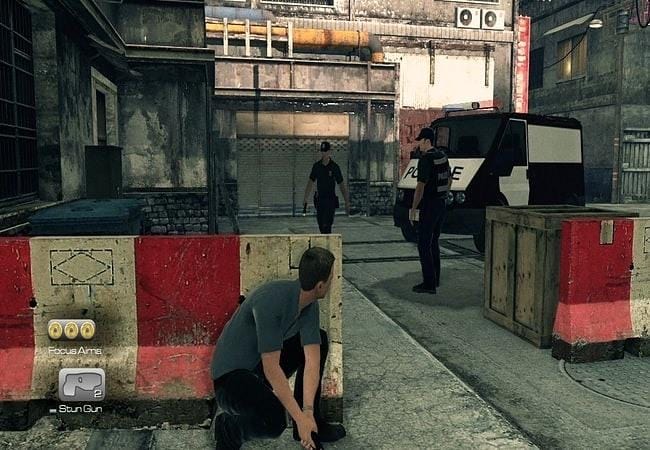
Sadly, despite offering a change of pace and a breath of fresh-air away from not just Activision’s Bond games, but the wider flood of shooters dominating the era, Blood Stone did not meet sales expectations. Why? Because Activision had the bright idea of releasing it the exact same day as GoldenEye 007 on Wii. In some ways the idea sounded good on paper, because GoldenEye was a timed Wii exclusive, giving non-Wii owners a Bond game as well could’ve been a lucrative and symmetrical release strategy. However in practice it just was not the case. Blood Stone got severely overshadowed by a game with a famous name. That’s a tough break, considering Blood Stone’s uniqueness.
It’s a pity because one game dared to try something different, while the other was overindulging on nostalgia. It’s even more of a pity as there were plans for a Blood Stone follow-up. Little is known about the project because it was scrapped early on due to poor sales, but it was going to be called Risico. According to leaked material and reporting that surfaced after Activision’s Bond collapse, it was supposedly in development at Raven Software and would have incorporated more unused Fleming material into the universe established by the Craig era. Blood Stone’s story does end with lots of loose ends, setting up for an immediate follow-up that sadly never materialized.
007 Legends
(2012: Xbox 360, PS3, Wii U)
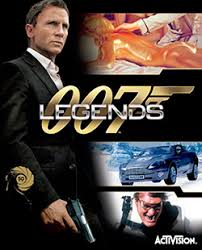
At long last we have arrived at the final game in this retrospective, 007 Legends. Meant to celebrate the 50th anniversary of the series, while also launching alongside Skyfall, Activision and Eurocom faced perhaps the tallest order any Bond developer had ever been handed. 007 Legends builds on the concept introduced in GoldenEye 2010, taking classic Bond stories and updating them through the grounded lens that defined the Daniel Craig era. But instead of modernizing one film, they tackled five,one film per actor’s era. It was a bold concept meant to honor the five decades of cinematic history. Instead, it fell flat on its face.
Goldfinger, On Her Majesty’s Secret Service, Moonraker, License to Kill and Die Another Day. Those were the five films selected for 007 Legends. While it’s not the most inspired list, the choices become clear when you consider the mandate of one film per actor’s era. For Sean Connery, Eurocom chose Goldfinger, honestly the best choice, since it’s not only Connery’s most iconic entry, but arguably the most emblematic and iconic film in the entire series. George Lazenby is represented by On Her Majesty’s Secret Service, less of a creative decision and more of a mathematical certainty since it was his only appearance as James Bond. Roger Moore got Moonraker as it’s easily his most iconic film as well, despite clashing with the grounded Daniel Craig lens the game was built around. Timothy Dalton is represented by License to Kill, because a revenge story is easier to modernize than the Cold War politics that were central to his only other film, The Living Daylights. And then there’s Pierce Brosnan and Die Another Day, a choice that still raises eyebrows to this day. Beyond being one of the weakest films in the entire franchise (causing the producers to slam the reset button) it was still selected because every other Brosnan outing had already received a video game adaptation. The developers had effectively backed themselves into a corner.
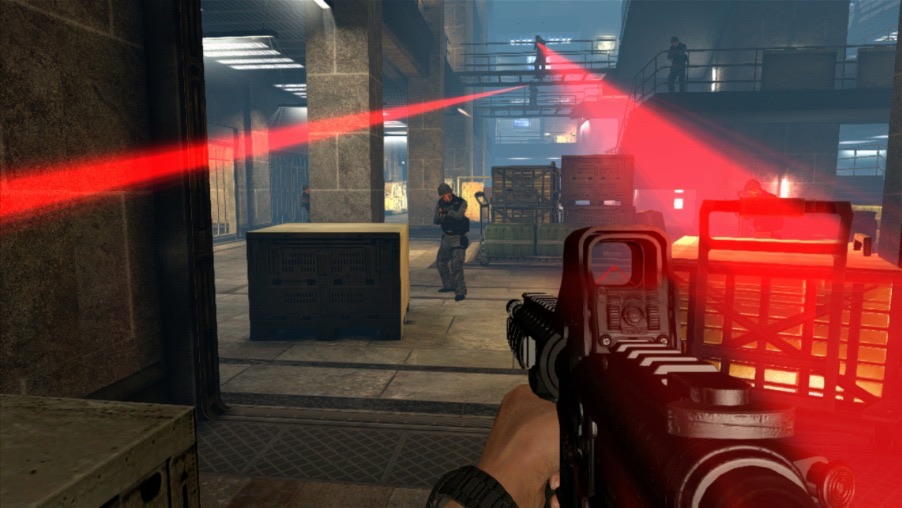
But the selection of films chosen is the least of this game’s problems. The narrative idea behind 007 Legends is that these classic reimaginings of previous missions all occur between the events of Quantum of Solace and Skyfall. The game opens up with the same action scene as in the Skyfall film, Bond and Moneypenny chasing Patrice through the streets of Istanbul to retrieve that hard drive, only for Moneypenny to accidentally shoot Bond and plunge into the water below. However, instead of cutting to Adele belting out her Oscar-winning tune, the game instead shifts to these classic missions as “flashbacks” as he’s floating down the river. The game then follows the same rigid linear level design. It has the same pop-up from cover shooting, the same COD formula, all set in a mish-mash of modern-yet-familiar set pieces that string together five eras of James Bond into one homogenous blender.
It strips away all the uniqueness of each film’s feel. Seeing classic characters like Auric Goldfinger or Ernst Stavro Blofeld casually operating smartphones and modern tech, it doesn’t feel like a clever update. The disconnect is more apparent since the developers were able to use the likenesses of pretty much every classic villain, henchmen, and Bond girl. To the game’s credit, the effort to secure the likenesses (and even getting the original actors on board) of so many legendary characters is genuinely impressive. Seeing Goldfinger faithfully modeled on original actor Gert Frobe, alongside Michael Lonsdale as Hugo Drax to come back and voice the character after 33 years is no small feat, and it’s one of the few highlights that actually does feel like a true celebration of the franchise.
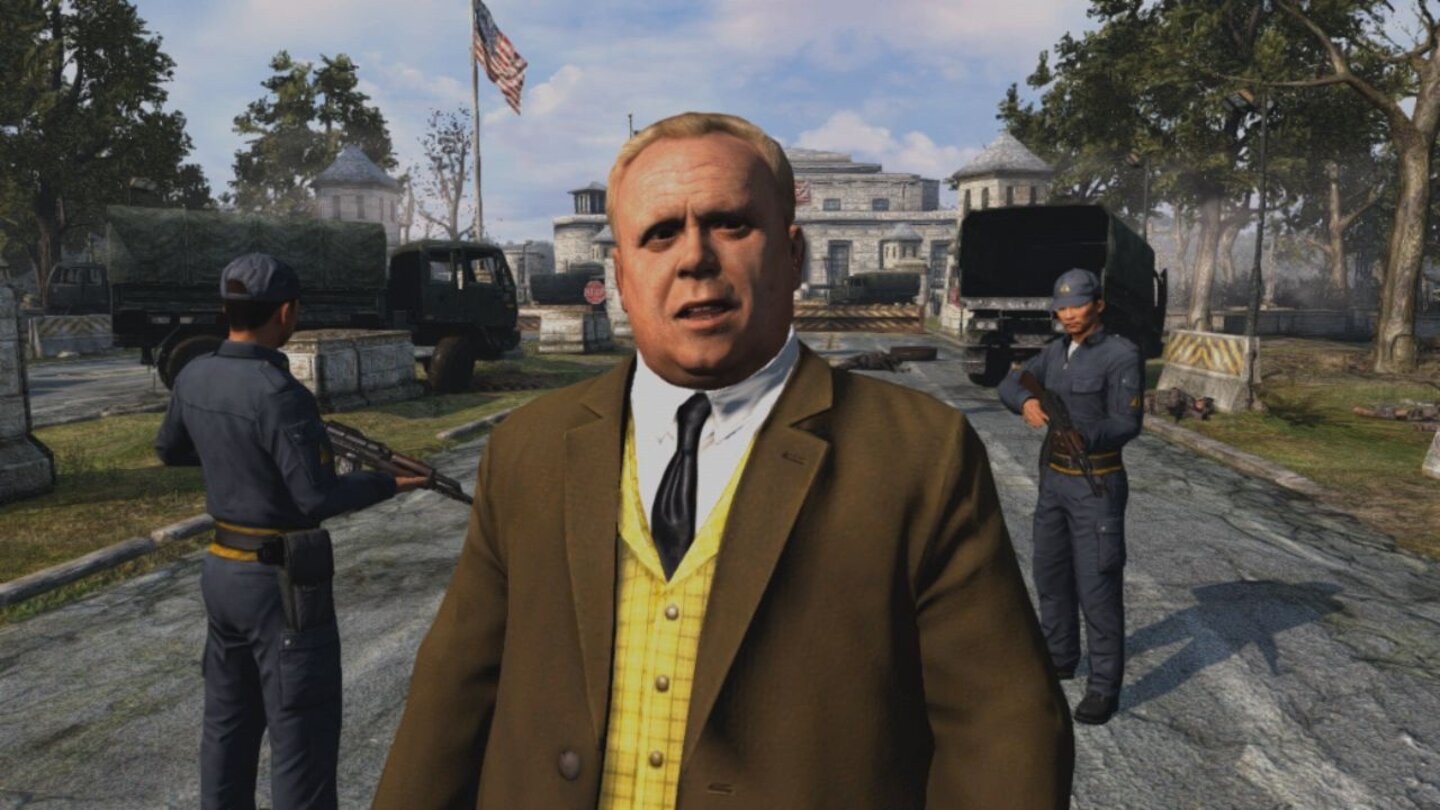 Gert Frobe as Auric Goldfinger
There are so many things wrong with 007 Legends that it could easily get an article of its own. The gameplay is bland, the weapon variety is uninspired, gadget integration is minimal to non-existent, and the levels are reduced to corridor shooting. Forced stealth sections only make matters worse, riddled with frustrating and unfair enemy detection that can spot Bond from ridiculous distances, turning infiltration into trial and error. Then there was the Skyfall integration. Because 007 Legends launched before the film hit theaters, the developers removed the final Skyfall missions and released it later as free-DLC to avoid spoilers. Ironically, the missions barely spoiled anything because it only portrays the events up to the first half of the film.
James Bond Will Return
The failure of 007 Legends effectively marked the end of the Bond gaming era. Poor critical reception and weak sales figures tanked what was meant to be an epic celebration of a half century of James Bond. On top of just being a bad game, it killed Activision’s grip on the license, getting pretty much revoked by Eon. Within two months of release in January of 2013, all Activision Bond games were delisted from digital storefronts, with no digital access, only physical copies remained. Another stark reminder of the growing trend of digital extinction and the need for preservation, even with mediocre games.
Behind the scenes, the reasons for Bond’s gaming hiatus after Legends had to do with more than just poor game design. Developers at both Activision and EA had been at creative odds with Eon Productions over the direction of the games. Former Activision CEO Bobby Kotick revealed recently on a podcast (apologies for not remembering which) recalling a time when Bond producer Barbara Broccoli stipulated not having guns in the GoldenEye remake. That’s right…no guns…in a remake to one of the most influential first person shooters of all time. The developers obviously had to push back. Various former game directors at EA have shared similar clashes of this sort with Eon, often mentioning that Barbara Broccoli often took issue with the violent content by having Bond being a one man army.
After Legends, James Bond in gaming went radio silent effectively for almost a decade, while the film series carried on under Daniel Craig. A hiatus this long for such a massive IP was unusual back then, but it’s clear that the conflict over Bond’s portrayal combined with studio closures, corporate politics, and other studios unsuccessfully pitching their ideas for new Bond games, had left the 007 gaming franchise dormant.
But then in 2020, the stalemate finally broke. IO Interactive, best known for the Hitman franchise, successfully pitched a new game. Their approach promises to capture the essence of the character by telling a new original story not tied to any past or upcoming film portrayals. This led to 007: First Light, slated to launch May 27th, 2026, a full thirteen and a half years after 007 Legends, and a fresh start for the franchise. So after all the ups and downs of James Bond in gaming, and a highly anticipated comeback on the horizon, there are four words we can always rely on…James Bond Will Return.