“Raid” at EA: Gamers to Protest $55 Billion Saudi PIF Buyout
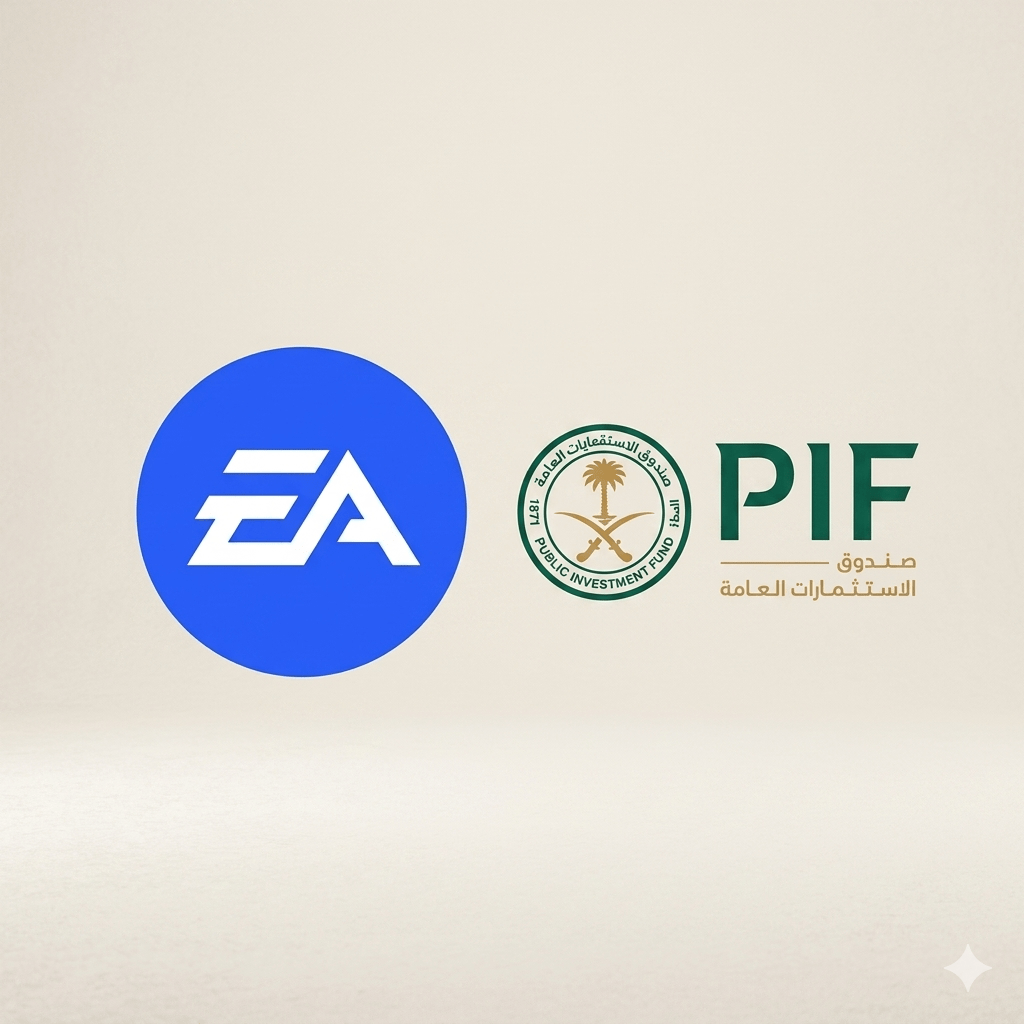
The potential $55 billion acquisition of Electronic Arts by the Saudi Public Investment Fund (PIF) has reached a boiling point. Tomorrow, the Players Alliance will hold a direct action at the Redwood City campus to denounce the deal. The organization warns that the structure of the buyout would saddle EA with $20 billion in debt. This is a classic private equity move designed for buyer risk reduction. The buyers place the debt onto the acquired company to shield themselves from fallout. This leaves the company to foot the bill for its own purchase. The Alliance argues that this massive financial burden will force EA to pursue aggressive monetization and studio closures to keep its head above water.
The protest will be quite a spectacle, featuring gamers in cosplay unrolling a massive scroll of 70,000 signatures. There will also be “loot box” demonstrations where crates are opened to reveal the potential consequences of the sale: layoffs and the replacement of staff with AI. Currently, the PIF would hold 93% ownership, with the remaining stake split between Silver Lake and Affinity Partners. Regulators are currently weighing the deal. Meanwhile, the Players Alliance is using Discord and Twitch to rally the community against this threat to industry stability.
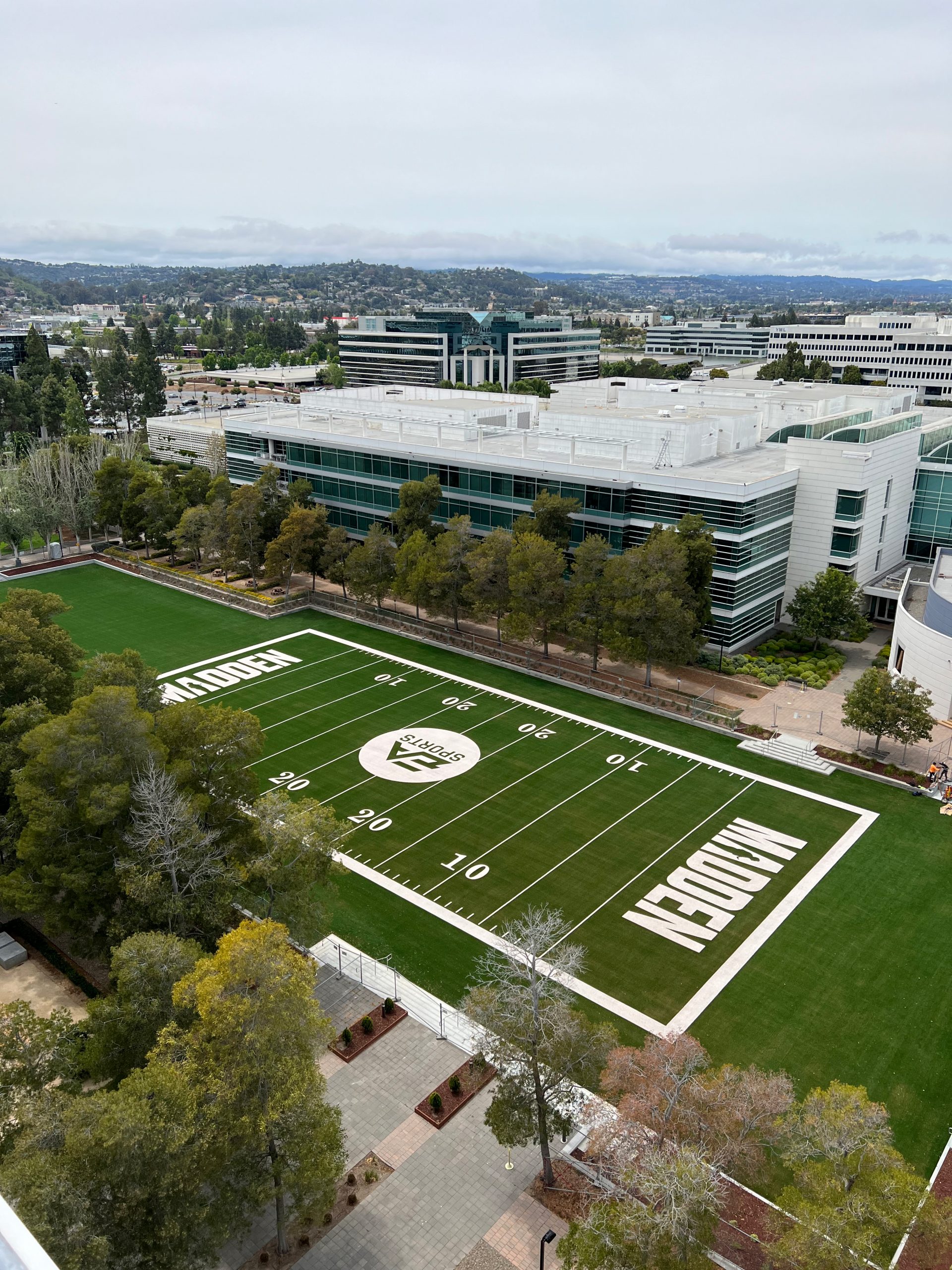
The protest will take place on Monday, May 11th at 11am Pacific time at the John Madden Field at the center of EA’s campus. You can watch it on Twitch!
My Thoughts
The reason I see this as a potential disaster for the studios we have covered for years isn’t just because of the buyout itself. We see big players like Microsoft and Sony gobbling up studios all the time. The real issue here is the specific financial weight being tied to EA’s neck. When a company is saddled with $20 billion in debt, the mission statement changes instantly. They aren’t going to look for creative ways to expand or take risks on new IPs; they are going to look for every possible way to cut costs just to stay afloat.
The finance industry often refers to this “debt dump” as a leveraged buyout. Essentially, the buyers use the assets of the company they are purchasing as collateral for the loans used to buy it. It is a way for the acquisition to essentially pay for its own takeover. The problem is that the buyers get the ownership while the company gets the bill. It turns a successful publisher into a debt-servicing machine overnight.
It makes me ill just typing this, but it would be so easy for a corporation like EA to justify slashing headcount in favor of AI. Lets consider the annual sports titles and major FPS titles under the EA umbrella. Those annual updates are rarely nothing more than small changes, quality of life upgrades, and roster updates. A corporate leader looking at a massive debt ceiling would see those as “automated tasks” in a heartbeat. Even in a console upgrade year, it would be a simple process of feeding the developer spec to the AI tool and pressing the GO button. Voila! You have Madden 2028 on the PS6.
I am also curious about the timing here. The Saudi PIF has already made the call to end LIV Golf, so you have to wonder if their appetite for these massive, disruptive sports-adjacent investments is starting to sour. If they are pulling back there, does this EA offer still look the same to them? I suppose we will find out soon enough.
The “Market Resistance” Perspective
Beyond the financial debt, there is a very real question of brand sentiment. We have already seen the “non-Saudi world” largely push back against these types of massive infusions. LIV Golf is the most obvious example. Despite dumping billions into the project, it struggled as the audience rejected the source of the funding. We see similar friction points with the WWE and TKO’s ongoing ties to the Saudi kingdom. Granted, there is the aspect of brand loyalty to EA which could play a role.
There is a distinct possibility that the average player might spend their money elsewhere. This includes the blue-collar fans who buy Madden or FC every single year. It isn’t about where the money is located geographically, but rather a refusal to support a regime with a well-documented history of anti-humanitarian policies. If the American consumer views an EA purchase as an endorsement of the Saudi state, the “Dragon Age” might stay on the digital shelf.